




Adolescent Family Life Program (AFLP)

Adolescent Family Life Program (AFLP) is a strengths-based case management program designed to support and empower expectant and parenting youth. The program emphasizes building resilience to help youth thrive during and after they exit the program. Case managers meet one-on-one with youth to establish a caring relationship, identify the youth’s needs and interests, and offer support with accessing services, setting goals and planning for the future. The California Department of Public Health, Maternal Child and Adolescent Health Division developed a youth-centered, strength-based approach for the program called the AFLP Positive Youth Development (PYD) Model. This approach recognizes that all youth have strengths, benefit from high expectations and supportive relationships, and are able to make meaningful contributions to their lives, families and communities. The AFLP PYD Model turns these values into activities so youth develop and use their strengths and skills to help navigate life’s challenges, build healthy and supportive connections, and identify and work toward personal goals. All of this leads to healthier, happier lives for youth and their children.
Program Profile
Our Goals: Increase access to and utilization of needed services, increase social and emotional support and build resiliency, empower youth to cultivate personal autonomy to make informed decisions about their sexual reproductive health, and strengthen youth knowledge and self-efficacy for education and career attainment.
We Serve: Young people up to 21 years of age (at the time of enrollment) who are expecting, parenting, and/or working on gaining or regaining custody of their child(ren), including partners in pregnancy and parenting.
Service Delivery: Services are provided by county health departments, hospitals and community-based organizations.
Outcomes: The Adolescent Family Life Program (AFLP) is a strengths-based case management program for expectant and parenting youth that utilizes the evidence-informed AFLP PYD model. The AFLP PYD model has been shown to improve outcomes related to family planning, education, basic needs, social support and emotional resiliency, and health. Refer to the data briefs on AFLP Program Evaluation page for more information about program participants and evaluation findings.
Funding: Federal Title V MCH Block Grant Funds and Federal Title XIX (Medicaid) Funds.

The AFLP PYD Model
A Closer Look at the AFLP Positive Youth Development (PYD) Model
The AFLP PYD Model helps youth use their strengths to reach their goals and be resilient in the face of life’s challenges.
AFLP PYD case managers meet with participants twice per month, providing guidance in a supportive setting. Youth are partners in the program. They are given meaningful opportunities to contribute and practice problem-solving skills, build a positive identity and sense of purpose, and strengthen relationships and supports that will help them thrive.
Living With Purpose
Working through the AFLP PYD Model, young people engage in life planning and learn how to set and achieve goals based on their own strengths and values. Discussions and activities focus on themes such as:
- strengths, emotions, relationships, values, hopes and dreams;
- goal setting and life planning;
- taking care of me;
- taking care of my baby;
- family planning and safer sex;
- healthy relationships; and
- education and work.
AFLP PYD adheres to guiding principles that:
- are strengths-based;
- encourage youth voice and engagement;
- foster a caring case manager-participant relationship;
- create supportive networks and community involvement;
- focus on being goal-oriented;
- provide empowerment and opportunity;
- strive to be culturally responsive and inclusive;
- are developmentally appropriate;
- are long-term and sustainable.
12,442 visits
(in-person and remote)
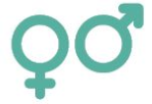
1,357 youth
served * (1,200 female, 157 male)

83.1% Hispanic ethnicity

86%
of youth either graduated high school or were in school.



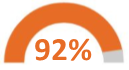
92% of youth received an annual medical check up

84.7% of pregnant youth received prenatal care

37.5% LARC
of sexually-active non-pregnant youth were using long acting reversible contraceptive (LARC) (such as IUD - intrauterine device - or implant)
*Among youth that received two or more visits
Data Source: Data Source: AFLP Annual Data Summary FY 22-23. Data extracted from AFLP management information system (MIS) Penelope on 8/15/2023.
Butte, Contra Costa, Fresno, Kern, Kings, Los Angeles, Madera, Orange, Riverside, Sacramento, San Diego, Santa Barbara, Shasta, Stanislaus, and Ventura.
Contact local coordinators