





healthcare-associated infections (hai) program
Monitoring Adherence to Health Care Practices that Prevent Infection
- Make use of “secret shoppers.” Monitoring by a designated staff member, such as the infection preventionist, may result in inflated adherence percentages.
- Calculate an ‘adherence percentage’ after each monitoring session. Share performance data with staff and leadership to gain support for infection prevention interventions.
- Conduct adherence monitoring and provide feedback to frontline staff on a regular basis to assess improvement over time, increase compliance, and prevent HAI.
| |
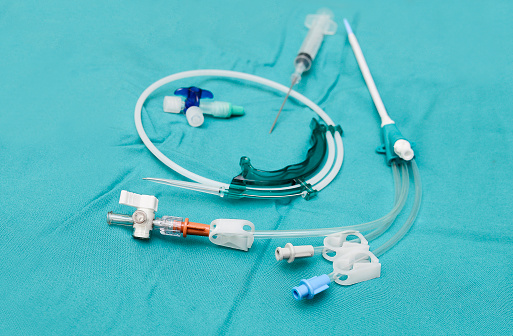 Central Line Adherence Monitoring Central Line Adherence MonitoringA central line associated bloodstream infection (CLABSI) may occur due to breaches in technique during line insertion or lapses in infection prevention practices when accessing and maintaining the line.
| |
| |
Many areas of the healthcare facility may be performing device reprocessing.
| |
AFL 24-15 announces that the CDPH is retiring its Enhanced Standard Precautions (ESP) guidance document and adopting the Centers for Disease Control and Prevention (CDC’s) EBP guidance and terminology. CDPH has developed Enhanced Barrier Precautions: Additional Considerations for California SNFs (PDF) for additional guidance on EBP. | |
|
Pathogens are transmitted in healthcare settings when contaminated surfaces and equipment are not adequately cleaned and disinfected between patients.
|
|
|
Regular monitoring with feedback of results to staff can improve hand hygiene adherence.
Additional resources:
|
|
Use these hemodialysis tools to measure adherence to dialysis care practices that are important for the prevention of bloodstream infections. | |
|
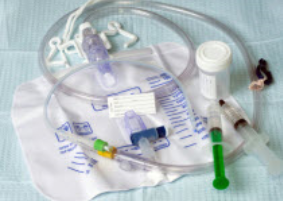
The best ways to prevent a catheter associated urinary tract infections (CAUTI) are to avoid use of indwelling catheter unless absolutely necessary and to remove catheters as quickly as possible after insertion.
|
|
|
Injection safety is a basic expectation in patient care, and includes safe handling of medications and using each needle and syringe for only one patient one time.
Additional resource:
|
|
| |
Use these tools to measure adherence to evidence-based practices known to reduce SSI in the operating room. Monitoring may be performed in any operating room setting, including hospitals, ambulatory surgery centers, and outpatient clinics.
NOTE: in addition to the 42 new recommendations, 15 other SSI prevention recommendations were carried forward from the 1999 SSI guideline. They are described in the CDC Guideline for Prevention of SSI, 2017, supplemental eAppendix 1 (page 41). | |
 Ventilator-Associated Pneumonia Use this tool to measure adherence to VAP practices. |
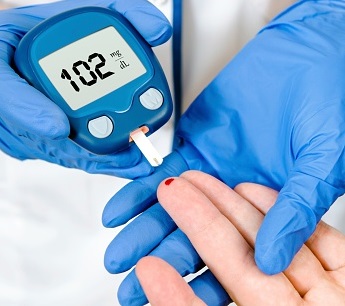 Blood Glucose Monitoring
 Contact Precautions
 Enhanced Standard Precautions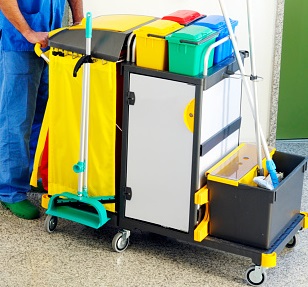




For questions, suggestions, or an accessible version of these tools, please email HAIProgram@cdph.ca.gov.
Find additional resources at CDC Infection Prevention Observation Tools