




CHILDHOOD LEAD POISONING PREVENTION BRANCH
Community Resources for Staying Lead-Safe
Many potential sources of lead can be found in or around the home, such as lead-based paint, dust, and soil. You can help prevent lead exposure from dust and dirt by frequently cleaning floors, windowsills, hands, and toys. It is also important to check for and safely address other potential sources of lead in and around your home (PDF).
Even small amounts of lead can affect children's behavior, growth, and learning. It is important that children at risk for lead poisoning get a blood lead test. If you think your child might have been around lead, ask your child's doctor about a blood lead test.
The Childhood Lead Poisoning Prevention Branch (CLPPB) has compiled the following resources to help families, schools, and child care providers learn more about lead poisoning, blood lead testing, and how to prevent lead exposure. These resources include educational activities for children and families to enjoy together. The information is from the California Department of Public Health, U.S. Centers for Disease Control and Prevention (CDC), and other federal, state, and local health agencies.
Lead Poisoning Prevention Resources for Families
Although lead is very harmful to children, lead exposure is preventable.
|
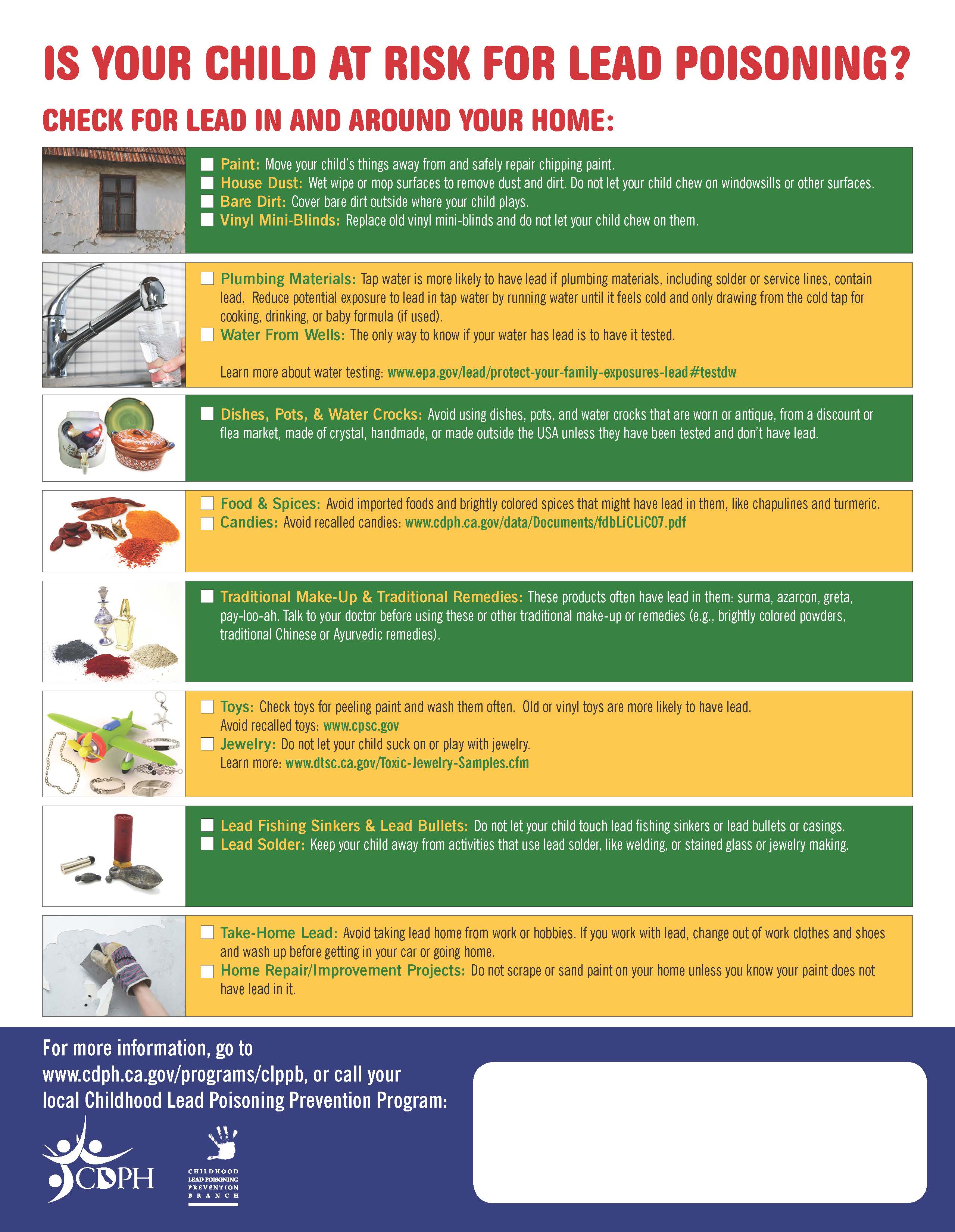 Check for Lead In and Around Your Home (PDF) | Revise si hay plomo alrededor y adentro de su casa (PDF) CLPPB Checklist Check for Lead In and Around Your Home (PDF) | Revise si hay plomo alrededor y adentro de su casa (PDF) CLPPB Checklist |
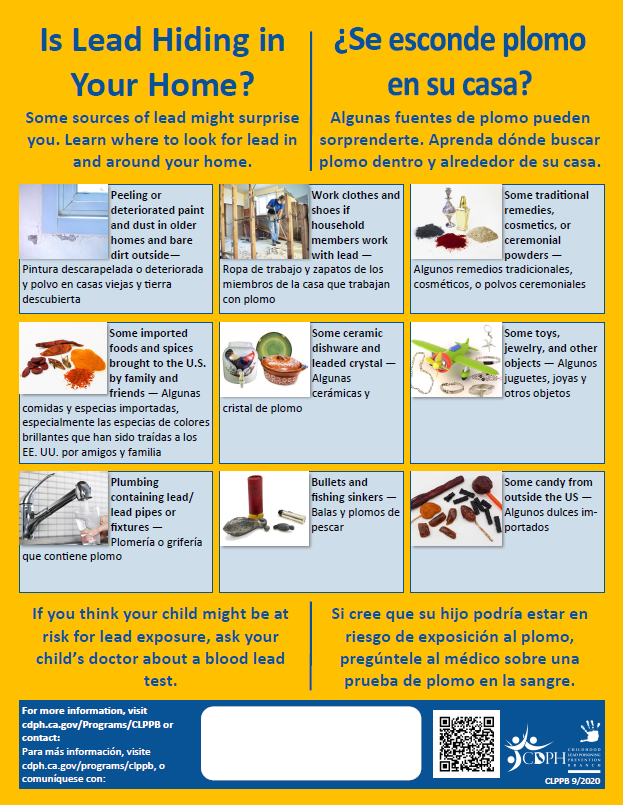 Is Lead Hiding in Your Home?/¿Se esconde plomo en su casa? (PDF) CLPPB Flyer Is Lead Hiding in Your Home?/¿Se esconde plomo en su casa? (PDF) CLPPB Flyer |
|
|
Note: The term “Level of Concern” is no longer used. CDC now uses a blood lead reference value of 5 micrograms per deciliter to identify children with blood lead levels that are much higher than most children's levels. |
Lead-Safe Home Improvement Resources:
|
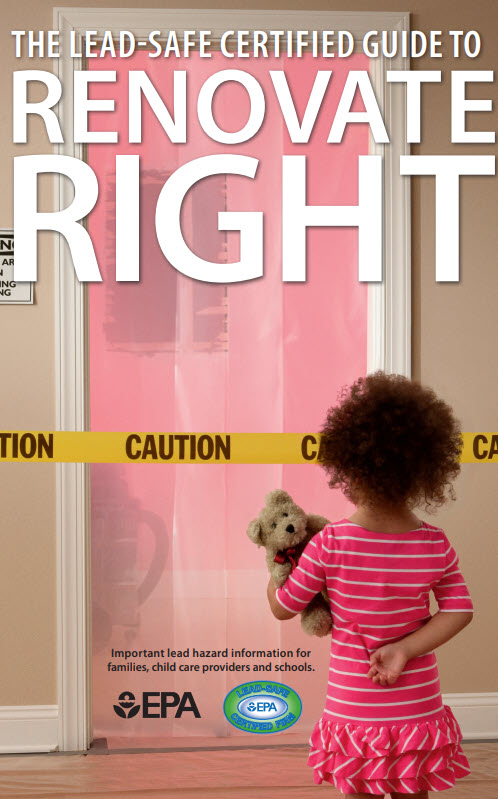
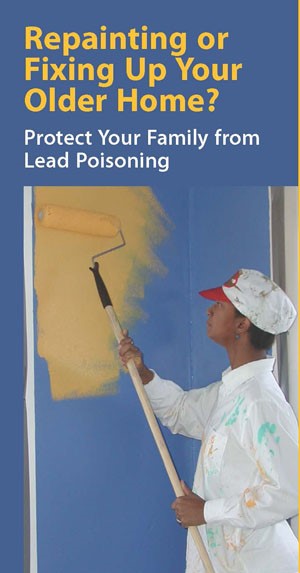 Repainting or Fixing Up Your Older Home? (PDF) | ¿Va a pintar o a hacer arreglos en una casa vieja? (PDF) CLPPB Brochure
 |
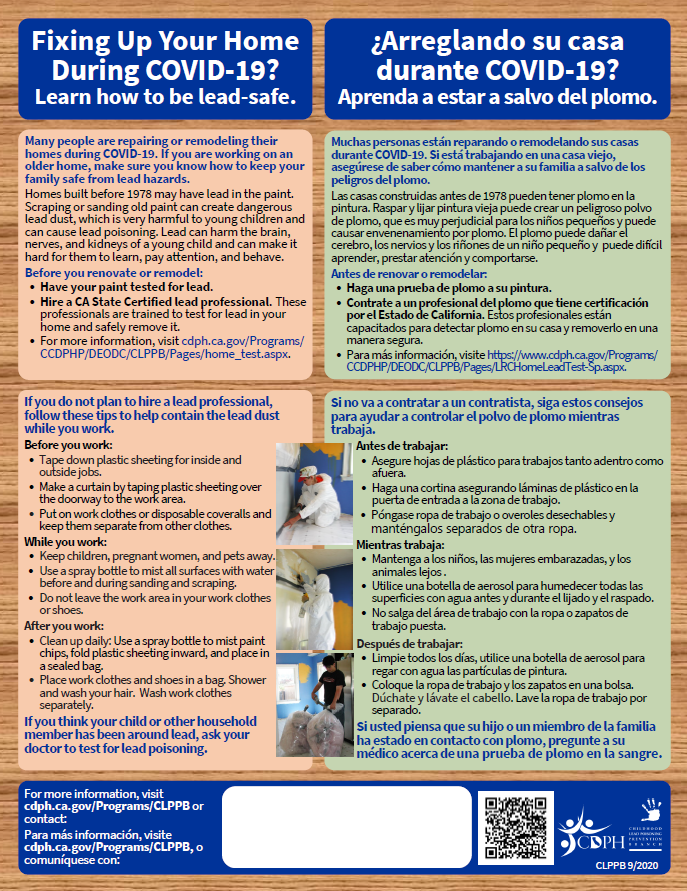 Fixing Up Your Home During COVID-19?/¿Arreglando su casa durante COVID-19? (PDF) CLPPB Flyer Fixing Up Your Home During COVID-19?/¿Arreglando su casa durante COVID-19? (PDF) CLPPB Flyer |
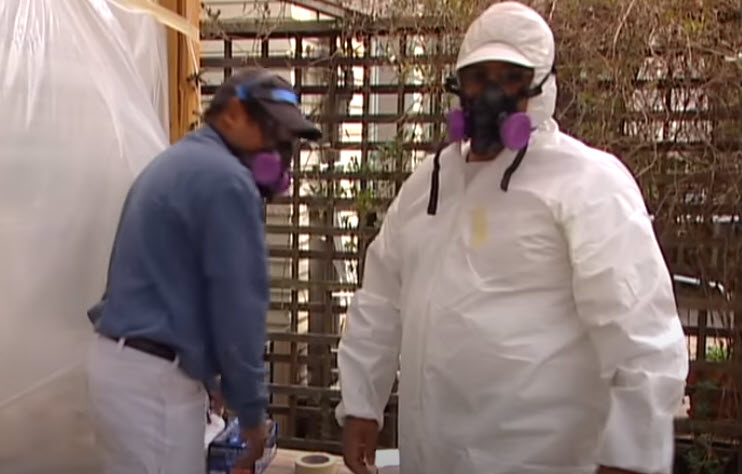 Lead's Revenge!/¡La Venganza del Plomo! video (17 minutes) from California Department of Public Health Occupational Lead Poisoning Prevention Program
 |
|
|
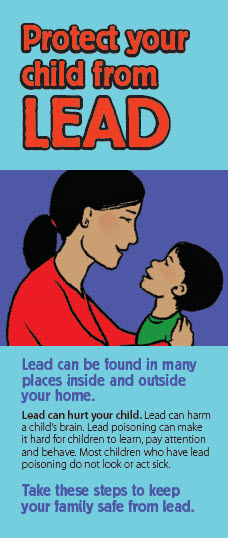
Activities for Children
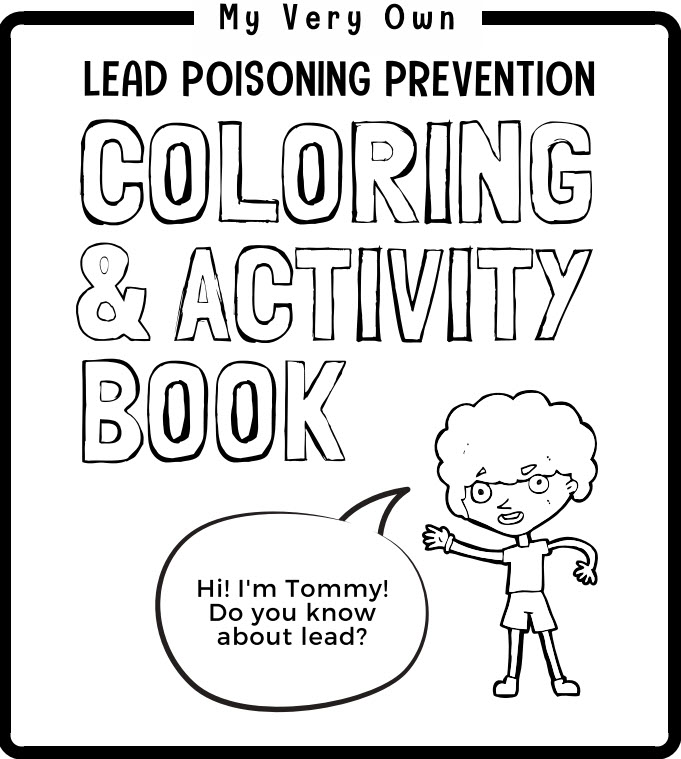
The following videos and activity books teach children about sources of lead and how to stay safe. |
Videos:
|

The Story About Lead | La historia del plomo video (4 minutes) from Southwest Center for Pediatric Environmental Health |
|
|
|
|
|
|
Coloring and Activity Books:
|
|
|
|
|
|
|

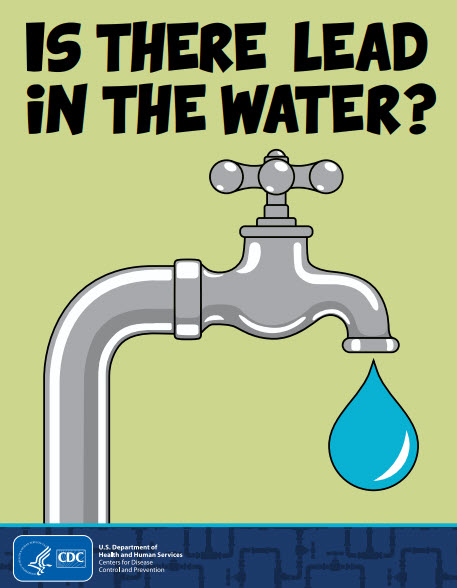
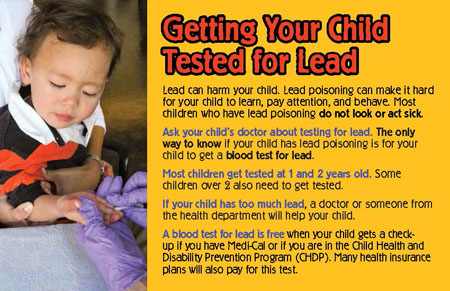
Information About Getting a Blood Lead TestMost children with lead poisoning do not look or act sick. The only way to know if a child has been exposed to lead is through a blood lead test. Call your child's doctor to schedule an appointment and get a blood lead test. The following resources explain how and when children should be tested and provide information to help families get health insurance. |
|
 California blood lead testing regulations California blood lead testing regulations |
|


Curricula for Child Care Providers, Parents, and Schools
Lead exposure can happen where children live, learn, or play. Child care providers, teachers, and parents all play an important role in preventing children's exposure to lead.
|
|
|
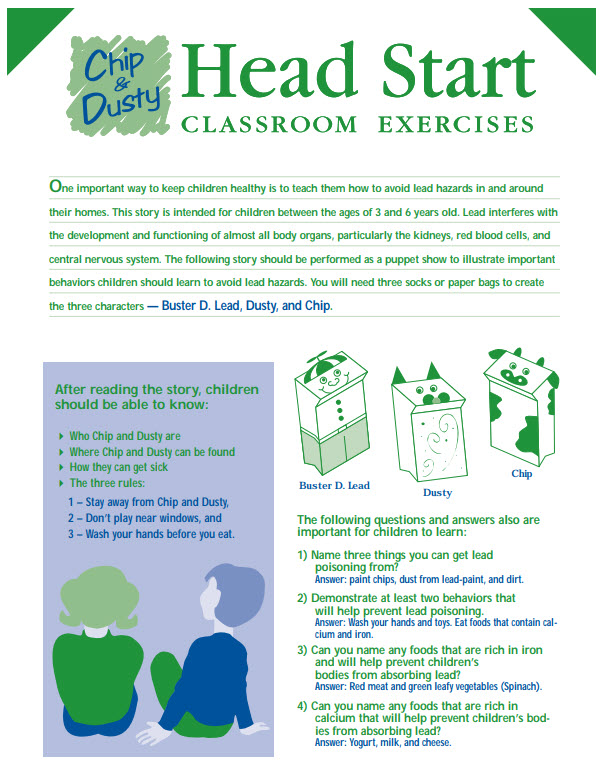
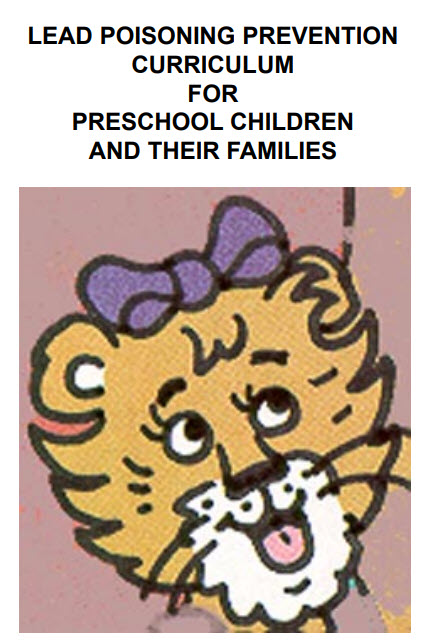 Lead Poisoning Prevention Curriculum for Preschool Children and Their Families (PDF) from New York State Department of Health Lead Poisoning Prevention Curriculum for Preschool Children and Their Families (PDF) from New York State Department of Health |
|
|

Additional Childhood Lead Poisoning Prevention Resources for Californians
CLPPB has developed lead education materials in multiple languages for parents and families, health care provider offices, child care givers, businesses and organizations, and others interested in preventing lead exposure in children. Please visit the Lead Educational Materials page to download and print these materials. You may also request free printed copies of the materials from your local program.
For additional information about lead poisoning prevention and blood lead testing, contact your local California Childhood Lead Poisoning Prevention Program. If your county does not have a local program, contact the Childhood Lead Poisoning Prevention Branch at CLPPBOutreach@cdph.ca.gov.