





FATALITY ASSESSMENT & CONTROL EVALUATION PROGRAM
Case Report: 20CA001
A heavy equipment operator dies when he was struck by an excavator bucket that detached from a quick coupler
Download a PDF to print this report: A heavy equipment operator dies when he was struck by an excavator bucket that detached from a quick coupler (20CA001, PDF)
Summary
- Always lower the bucket to the ground before exiting the cab.
- Never walk/traverse beneath an excavator boom swing radius or elevated load.
- Train hydraulic excavator operators in the proper procedures for engaging excavation attachments and incorporate these procedures into the company’s safety and health program.
Introduction
Employer
Written Safety Programs and Training
The Excavator and Attachments
|
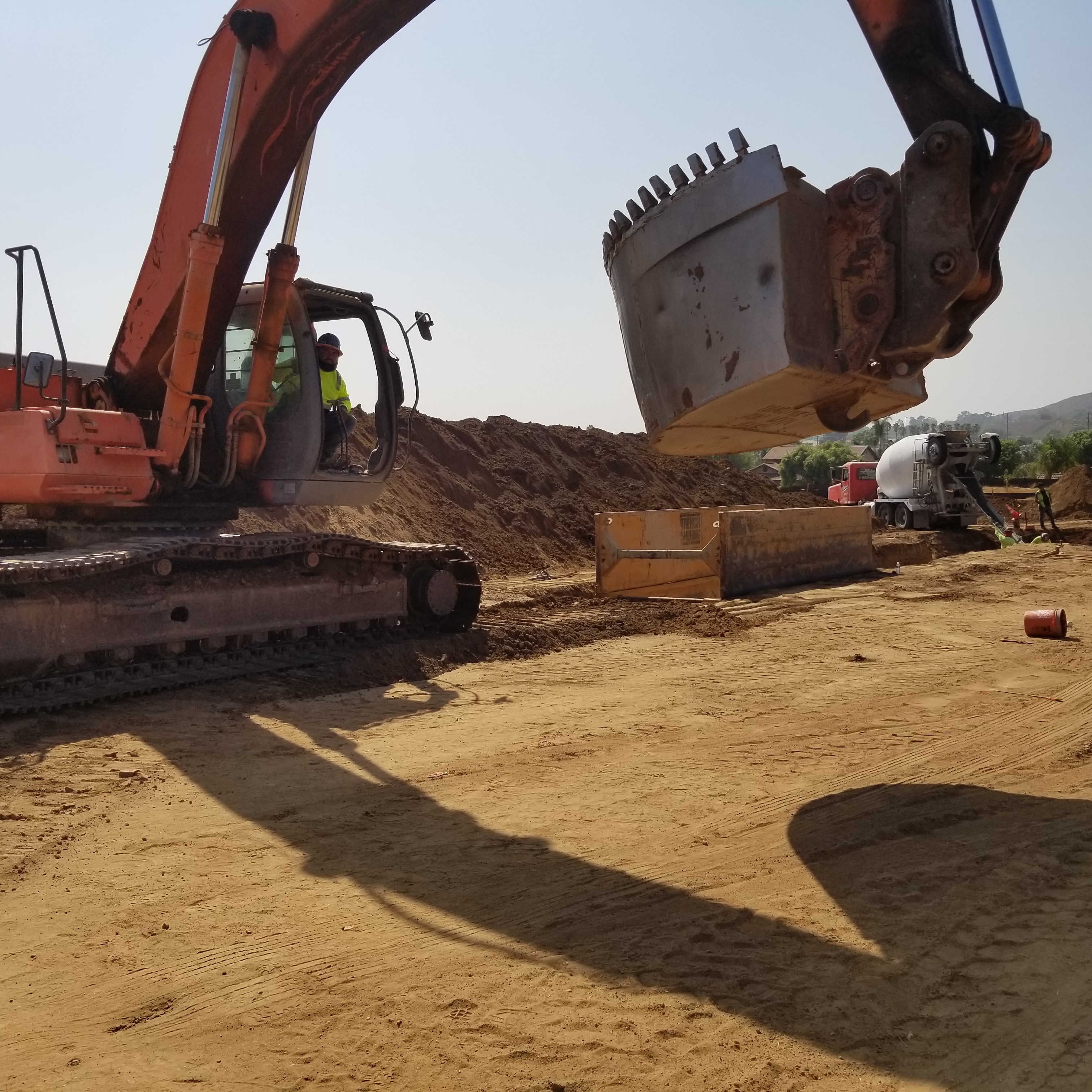
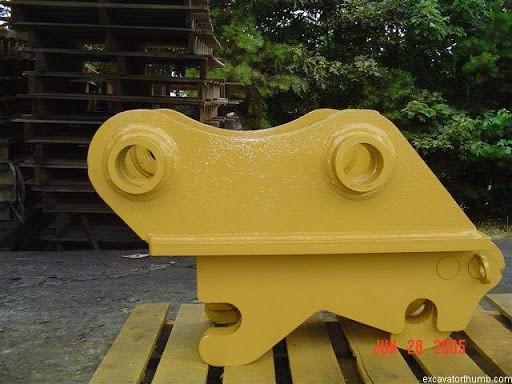
The machine involved in this incident was a Hitachi hydraulic excavator (Exhibit 1). Attached to the end of the boom was a hydraulic device called a quick coupler. Quick couplers are made by various manufacturers and have several designs. They are installed at the outer end of booms by the pins that would normally be the mountings for the bucket or attachment (Exhibit 2). They facilitate the rapid exchange of working tools or buckets. The quick coupler involved in this incident was fully automatic. The distributor of the quick coupler was Steel Unlimited Inc. |
Exhibit 1. The excavator involved in the incident |
|
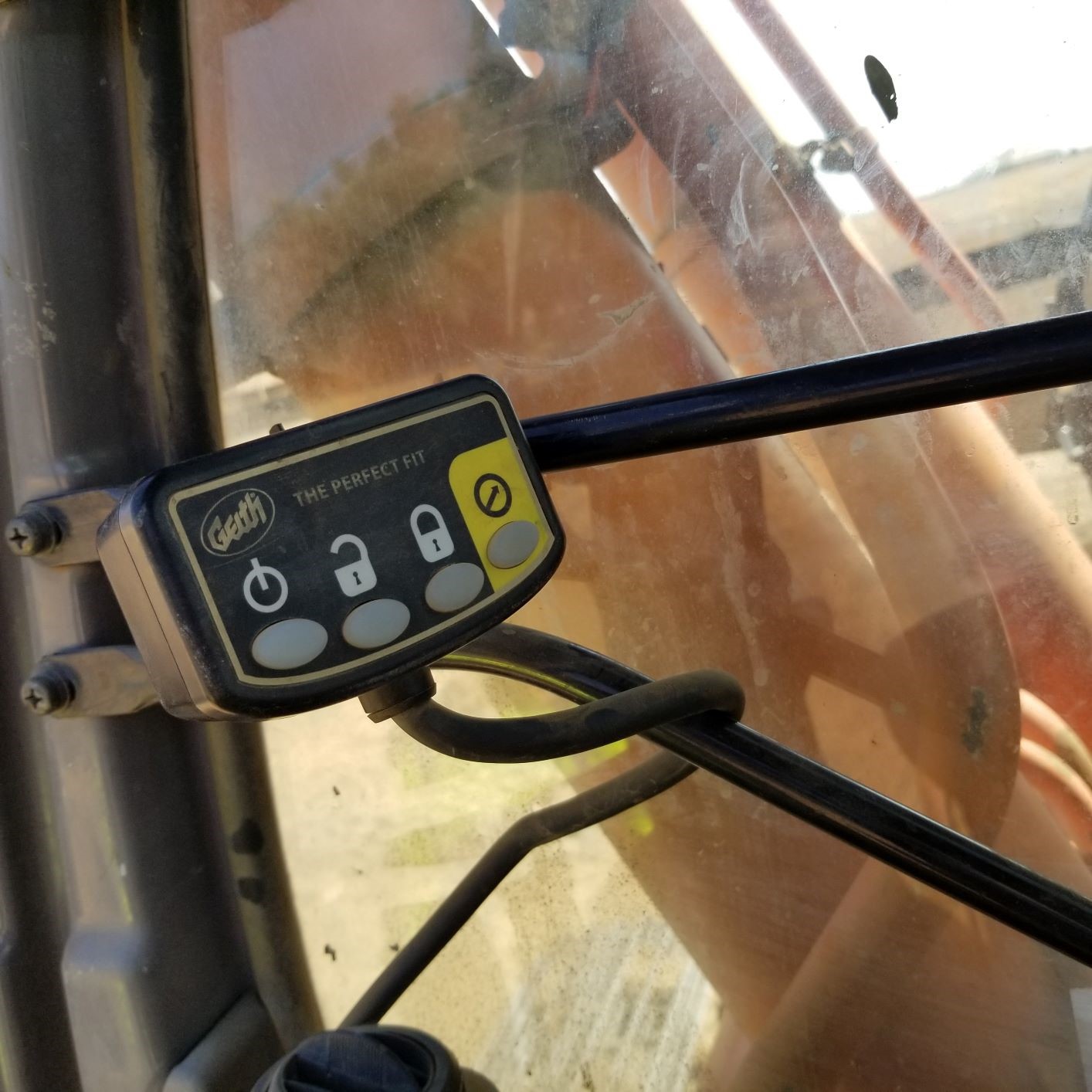
The coupler was hydraulically connected to a Geith hydraulic control panel in the excavator operator’s cab (Exhibit 3). The control panel is designed to hydraulically lock the bucket to the quick coupler, and has an alarm to warn the operator when the mechanism malfunctions. The excavator operator typically confirms proper attachment of the bucket by raising the boom and testing the operation of the bucket prior to use. |
|
|
|
Exhibit 2. A quick coupler similar to |
Exhibit 3. The automatic hydraulic |
On the day of the incident, the victim arrived at the jobsite and began operating the excavator to dig trenches for a concrete pipe drain system. When the supervisor arrived at the work location, he observed the victim maneuver the excavator as he pulled out two buckets of dirt from the trench and dumped it to the side. After removing a few loads of dirt from the trench, the victim swung the excavator boom away from the trench, stopped the boom in an elevated position and exited the cab.
It is not known why the victim stopped the excavator boom and exited the cab. It is possible that the quick coupler locking mechanism did not fully engage and the victim was alerted by an alarm on the control panel. The victim may have exited the cab to check on the bucket. The supervisor witnessed the victim approach the elevated bucket from underneath, and then the bucket detached, striking the victim (Exhibit 4). The decedent fell onto a small dirt berm at the edge of the trench. 911 was immediately called and the supervisor performed cardiopulmonary resuscitation (CPR) until emergency services arrived. The fire department provided advanced cardiac life support (ACLS) measures and transported the victim to the hospital where he was pronounced dead by the attending physician.
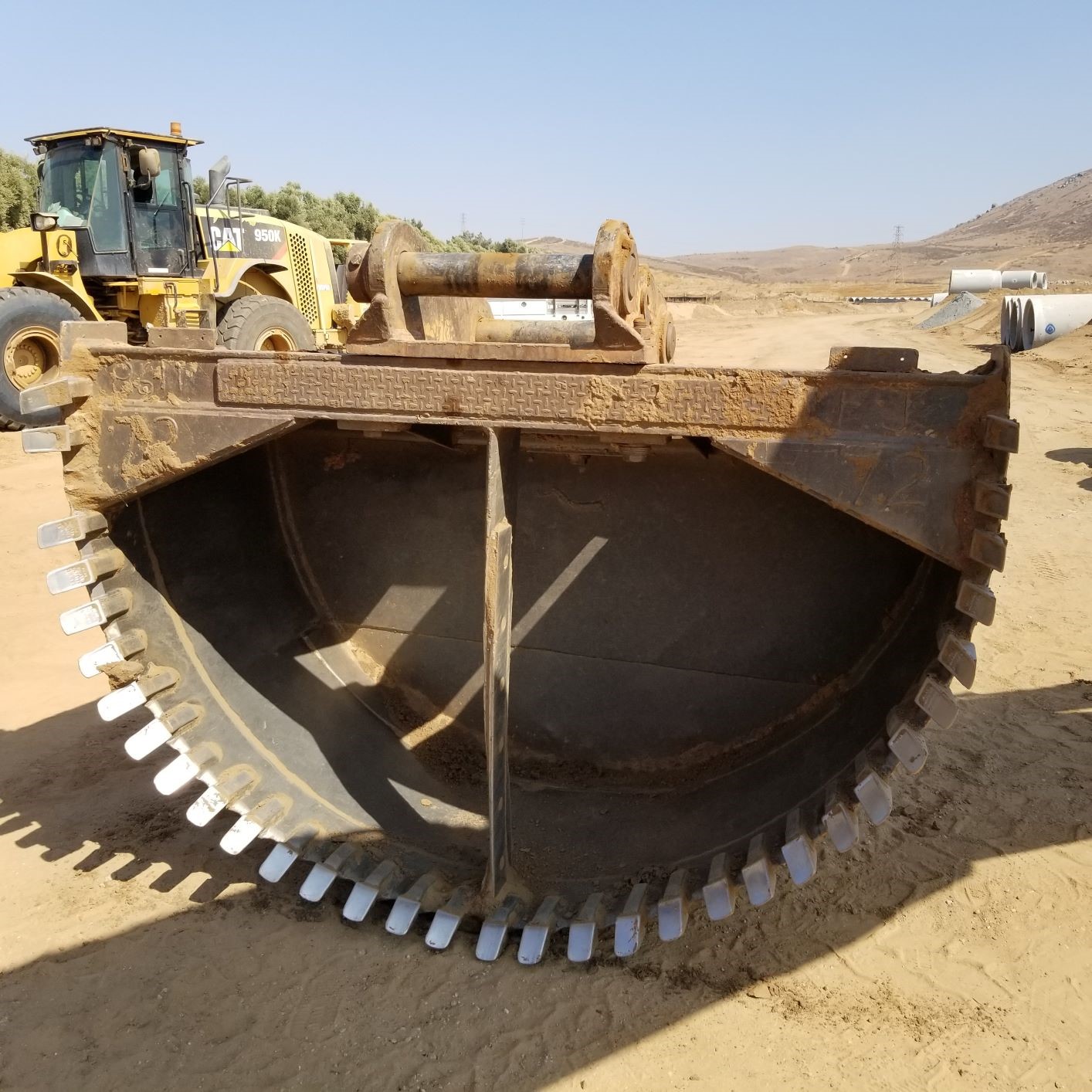
Exhibit 4. The bucket that disconnected from the coupling.
Cause of Death
The cause of death, according to the death certificate, was blunt trauma.
Recommendations
The CA/FACE investigator determined that, in order to prevent future incidents, employers should ensure that operators of excavators with quick coupling devices:
Recommendation #1: Always lower the bucket to the ground before exiting the cab.
Discussion: In this incident, the victim left the cab while the boom and bucket were still elevated. If operators become aware that the bucket is not operating properly, they should always lower the bucket to the ground before inspecting. If the bucket had been lowered to the ground, it would not have disconnected and fallen on the victim.
Recommendation #2: Never walk/traverse beneath an excavator boom swing radius or elevated load.
Discussion: In this incident, the victim exited the cab and walked underneath the elevated bucket. All heavy equipment poses serious—even potentially fatal—risks to operators and others working in the vicinity. The relatively quick and far-reaching motion of the boom and bucket on an excavator is a particular source of danger. Manufacturers of excavators advise that no one should walk below an elevated load or work within the boom swing radius during operation. If the victim had not walked under the elevated load, he would not have been struck by the bucket.
Recommendation #3: Train hydraulic excavator operators in the proper procedures for engaging excavation attachments and incorporate these procedures into the company's safety and health program.
Discussion: In this incident, the victim had received OJT training on how to operate the excavator. There was no documentation that he received specific instruction on the operation of quick couplers. If the victim had received increased training on excavator operations, he may have had greater knowledge about how quick couplers function and the the proper safety procedures to follow. With additional training, the victim may have lowered the boom to the ground, thereby preventing this incident.
References
California Division of Occupational Safety and Health - Title 8 regulations - Subchapter 7. General Industry Safety, Group 2. Safe Practices and Personal Protection. Article 7. Miscellaneous Safe Practices
California Division of Occupational Safety and Health - Title 8 regulations - Subchapter 4. Construction Safety Orders. Article 6. Excavations -§1541. General Requirements.
Preventing Injuries When Working with Hydraulic Excavators and Backhoe Loaders (NIOSH Publication No. 2004-107)
Australian Institute of Health and Safety (AIHS) Newsletter: Safety warning over semi-automatic quick hitches on excavators
Safework Australia: Quick-hitches for earthmoving machinery (August 2016).
Wisconsin FACE Report 03WI003: Laborer Dies After Being Struck by Detached Excavator Bucket
Plant Assessor Quick Hitch - SafeWork NSW position paper
Authors
Hank Cierpich, FACE Investigator
Robert Harrison, MD, MPH, FACE Project Officer
Laura Styles, MPH, Research Scientist
July 2, 2021