





Occupational Health Branch

Improving Ventilation Practices to Reduce COVID-19 Transmission Risk in Skilled Nursing Facilities
Do indoor air environments play a role in transmitting COVID-19?
Yes, the most important route of transmission of SARS-CoV-2, the virus that causes COVID-19, is via respiratory droplets and aerosols (particles) that are transmitted during close contact and through inhalation of particles dispersed in indoor air.
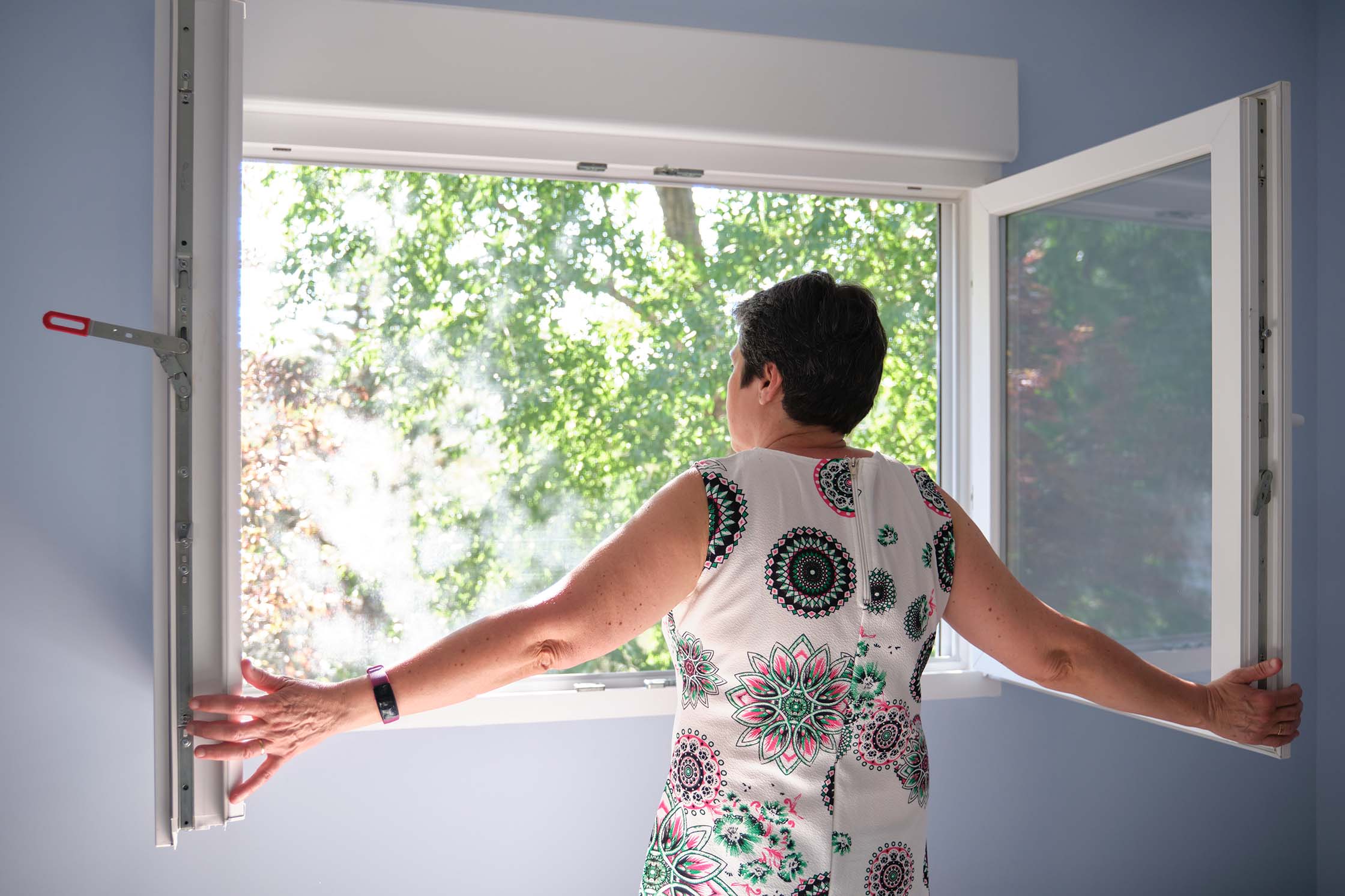 We also know that in poorly ventilated indoor environments, aerosols containing virus can remain suspended and "build up" in the air which increases transmission risk. As they remain suspended, they are also capable of travelling distances greater than 6 feet and infecting others, or even infecting others after the infectious person has left the room. Best practices to improve indoor air quality and ventilation can help reduce virus particles in the air and the risk that they may be inhaled and transmit COVID-19.
What can I do to improve ventilation and reduce the risk of aerosol transmission in my facility?
Step 1: Decide whether your building's ventilation characteristics fit the description of Building Type 1, 2, or 3 below
Building Type 1: Your building has a mechanical ventilation system.
Building Type 2: Your building does not have a mechanical ventilation system, but it has windows and doors that can open.
Building Type 3: Your building does not have a mechanical ventilation system AND you cannot open windows and doors in all or parts of your facility.
How do I know how well my building's mechanical ventilation system is working?
Recommended Actions for Building Type 1: Make sure your mechanical ventilation system is maximizing the introduction of fresh outdoor air and has the best filtration possible.
- Work with a building engineer or maintenance staff who understands how the system works. If you do not have one, consider hiring a heating, ventilation, and air conditioning (HVAC) contractor, indoor air quality expert, or industrial hygienist to assist you.
- Increase the amount of outdoor air supplied to the facility by the HVAC system to maximum capacity. It may be necessary to reduce outdoor air supply temporarily during times when local air quality is poor (e.g., wildfire smoke).
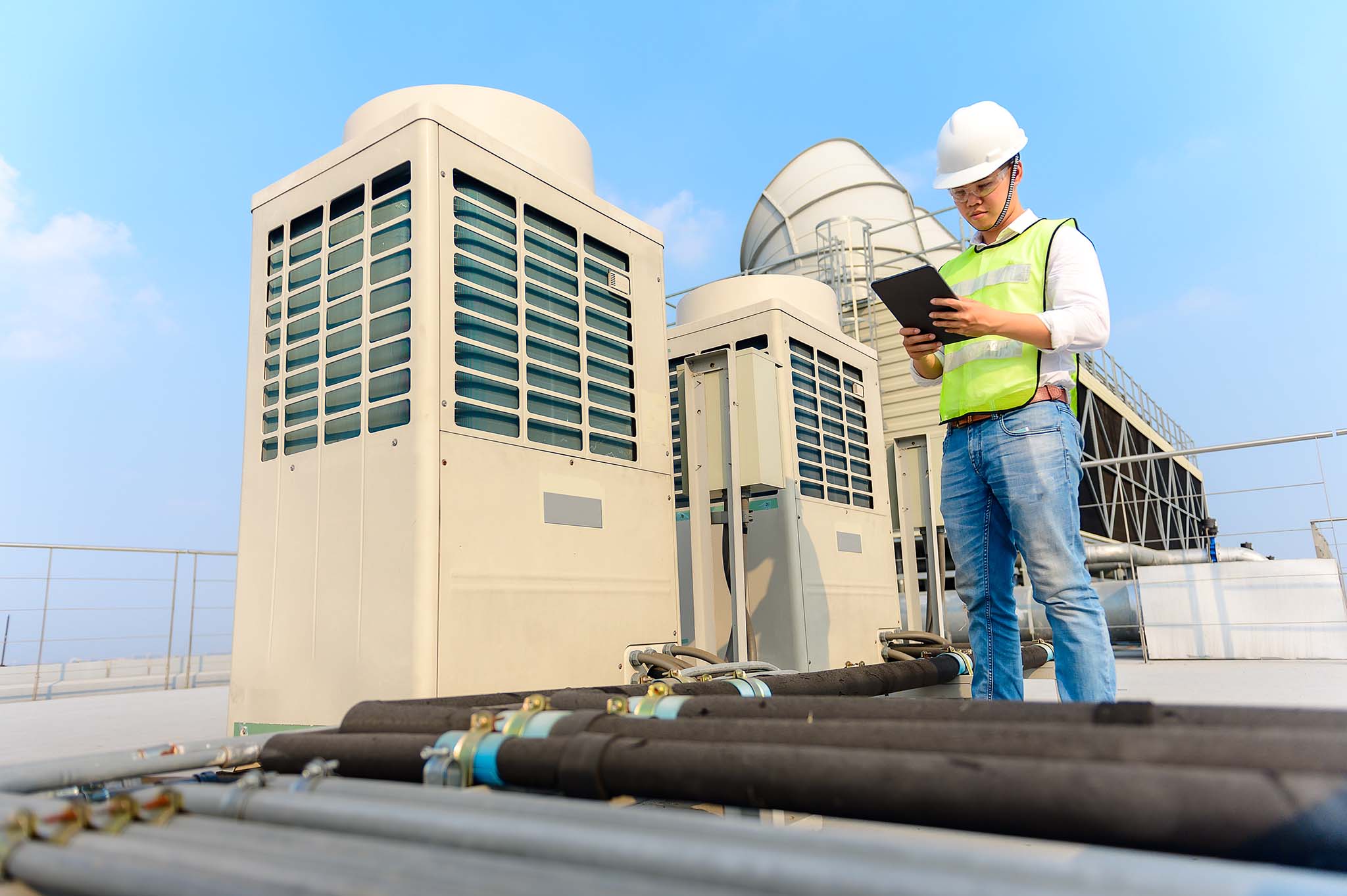
- If air is recirculated in the facility, ensure that system filters for air recirculation are rated at MERV-14 filter efficiency or greater. MERV stands for "Minimum Efficiency Reporting Value" and is a measure of the filter's effectiveness for different particle sizes. The recommendation for MERV-14 filtration is based on updated recommendations for healthcare settings from the American Society of Heating, Refrigeration, and Air-Conditioning Engineers (ASHRAE). If the system cannot tolerate a MERV-14 or greater filter, then use the highest rated filter tolerated.
- Run the facility's ventilation system for extended hours (constantly if possible), independent of time of day or temperature outdoors (to the extent feasible). This is done by setting the fan on the system's thermostat to the "ON" position instead of "AUTO." This will cause the system's fan to bring in outside air continuously and/or filter recirculated air continuously depending on system design.
- Ensure that filters and other HVAC system components undergo routine maintenance according to manufacturer recommendations. Maintain a log of such maintenance activities.
- Ensure that restroom and kitchen exhaust fans operate continuously and at full capacity when the building is occupied.
- Consider using Portable Air Cleaners (PACs) to augment HVAC system, particularly in smaller spaces and/or during an outbreak. *
*Refer to discussion of PACs in Section 3 below for further guidance
How do I improve natural ventilation and ensure fans are used properly?
Recommended Actions for Building Type 2: Improve your building's natural ventilation by opening windows, doors, and using fans properly.
-
Open as many windows and doors as possible when weather and safety considerations allow.
- Ensure fans are used properly:
- Avoid the use of high-speed settings on fans.
- Orient fans to promote airflow from other parts of a facility towards locations with residents known or suspected to have COVID-19 and then to the outside, for example, from the hallway to the resident's room and then outside through an open window (i.e., clean to less-clean direction).
- Mount fans in open windows or place them near open windows to direct indoor air to flow outside.
- Position fans so that air does not blow from one person to another.
- Ensure that fans are not blowing air from a COVID-19 patient's room to the hallway.
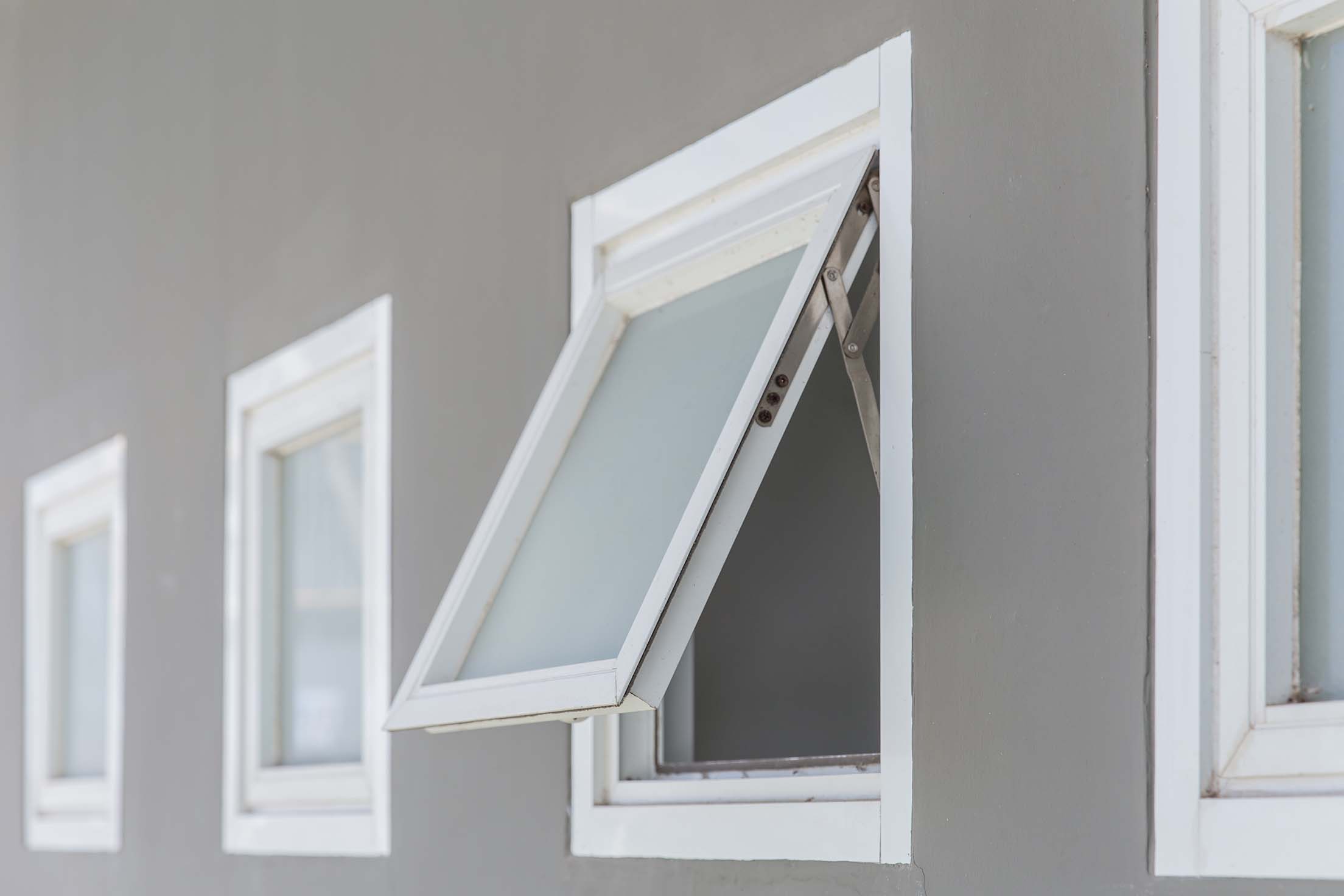
- Ceiling fans are less desirable. Keep ceiling fans turned off unless necessary for the thermal comfort of building occupants. If they are turned on, they should be used at low velocity with fan blades set to pull air upwards.
- Consider using Portable Air Cleaners (PACs) to augment natural ventilation, particularly in smaller spaces and/or during an outbreak. *
*Refer to discussion of PACs in Section 3 below for further guidance
How do I use PACs properly?
Recommended Actions for Building Type 3: Use portable air cleaners (PACs)
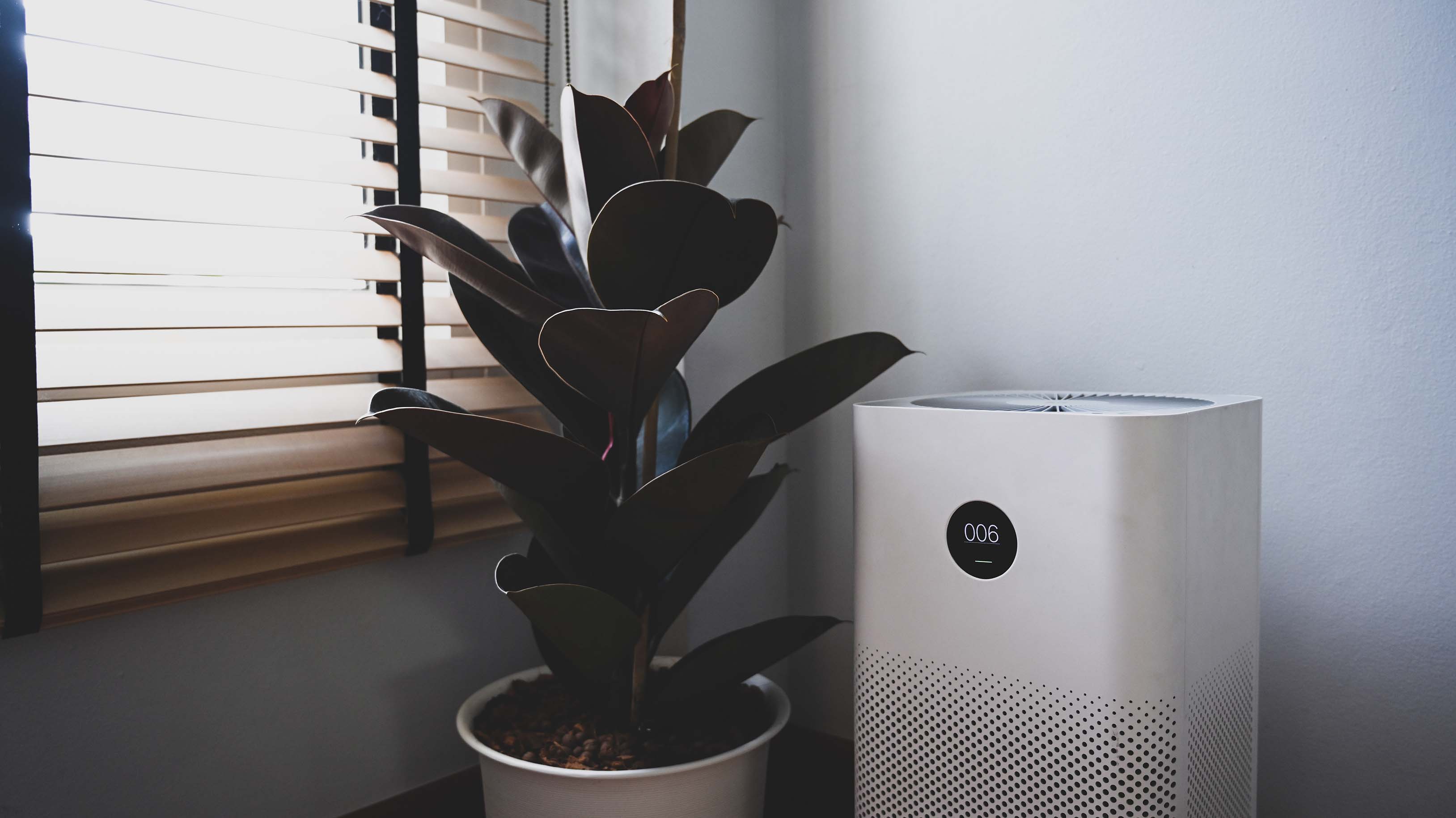
- Purchase PACs with HEPA (high efficiency particulate air) filters that are certified for ozone and electrical safety by the California Air Resources Board.
- Use PACs in areas of your facility where mechanical or natural ventilation are not possible or inadequate. PACs can also augment ventilation in Building Types 1 and 2 (see above).
- Ensure PACs are appropriately sized for the room or area in which they are used. One method for selecting an appropriately sized unit is the Clean Air Delivery Rate (CADR) "2/3" rule which states PACs should have a CADR at least 2/3 of the room's floor area. Multiple PACs can be used in a large room to improve filtration.
- Place PACs toward the center of rooms or areas where people gather; however, do not place PACs where they may pose a tripping hazard. Avoid placing units in unused corners of rooms or beneath tables, as they will not effectively clean the air.
- If you only have access to a limited supply of PACs, prioritize using them in areas with individuals confirmed or suspected to have COVID-19 and/or are using CPAP at night for sleep apnea or require nebulized medication. PACs could also be placed in common areas of the red or yellow zone in memory care units where residents known or suspected to have COVID-19 might gather.
- PACs can also be placed in breakrooms; however, this would be in addition to physical distancing and optimizing other means of ventilation.
-
California Department of Public Health (CDPH):
Best Practices for Ventilation of Isolation Areas to Reduce COVID-19 Transmission Risk in Skilled Nursing Facilities, Long-Term Care Facilities, Hospices, Drug Treatment Facilities, and Homeless Shelters -
California Department of Public Health (CDPH):
Interim Guidance for Ventilation, Filtration, and Air Quality in Indoor Environments
This CDPH guidance describes steps facilities must take to ventilate rooms used for isolation of residents and patients who have, or are suspected of having, COVID-19.
-
American Society of Heating, Refrigeration, and Air-Conditioning Engineers (ASHRAE):
Ventilation in Healthcare Settings (PDF) -
American Industrial Hygiene Association (AIHA):
Reducing the Risk of COVID-19 Using Engineering Controls (PDF) -
Centers for Disease Control and Prevention (CDC):
COVID-19: Ventilation in Buildings -
National Institute for Occupational Safety and Health (NIOSH):
Ventilated Headboards: Engineering Controls to Reduce Airborne, Droplet and Contact Exposures During Pandemic Response -
California Department of Industrial Relations, Division of Occupational Safety and Health (Cal/OSHA):
Interim Guidance for Protecting Workers at Skilled Nursing and Long-term Care Facilities from Exposure to Coronavirus Disease (COVID-19)
This document was prepared by the Occupational Health Branch, California Department of Public Health, in collaboration with the CDPH Healthcare Associated Infections Program, October 2021.