


Regional Perinatal Programs of California (RPPC)

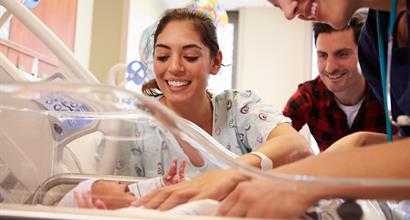
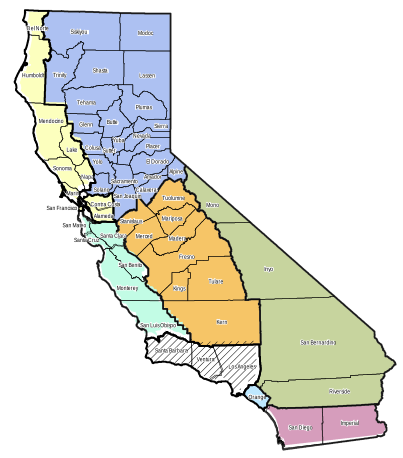
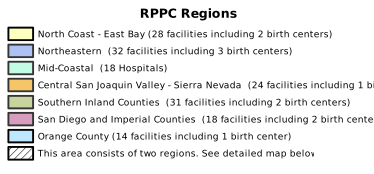
RPPC’s mission is simple: to ensure that mothers and babies are receiving the right care at the right time, and to prevent avoidable long-term or permanent disability or mortality. Comprised of a cooperative network of public and private health care professionals, RPPC identifies and addresses the special needs of high-risk pregnant women and infants, particularly in underserved areas. RPPC Regional Directors are highly experienced maternal and/or infant healthcare personnel who serve as a link between the California Department of Public Health’s Maternal, Child and Adolescent Health Division (CDPH/MCAH) and birthing hospitals, advocating for data-driven quality improvement activities, including data collection protocols, and quality assurance policies and procedures. The Regional Perinatal Program Directors and staff provide resources, consultation, and technical assistance to hospitals and health care providers.
State MCAH staff support the RPPC Directors in their work and coordinate efforts to improve perinatal care at a higher level by working with other key partners, such as Stanford University, March of Dimes and the American College of Obstetricians and Gynecologists, to name a few. Twice a year, State MCAH convenes the RPPC Directors for in-person meetings to discuss the RPPC scope of work and emerging issues that impact perinatal health.
Program Profile
Our Goal: To ensure pregnant women and their babies have access to the level of care they need; reduce adverse maternal and neonatal outcomes; and eliminate disparities in infant and maternal morbidity and mortality.
Our Work: To promote access to risk-appropriate care for pregnant women and their infants through the coordination of maternal and infant transport, technical assistance to perinatal units,
implementation of data driven quality improvement activities and the promotion of breastfeeding.
We Serve: Birthing hospitals that assist all pregnant women and their infants who are at high risk for medical complications before, during and after birth.
Financing: Federal Title V MCH Block Grant and special funds.

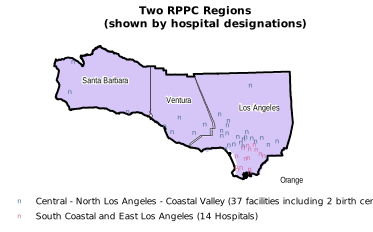
RPPC supports birthing hospital staff with education, evidence-based standards and practice policies. Every year, RPPC Directors and Coordinators meet with each of the hospitals in their region to review their hospital’s data and to find opportunities to improve perinatal care, based on the hospital’s specific needs. When applicable, quality improve-ment toolkits developed by CDPH and our partners at the California Maternal Quality Care Collaborative and the California Perinatal Quality Care Collaborative are used to help support a hospital’s quality improvement efforts. RPPC also works with local health jurisdictions to promote overall health, well-being and access to care in the communities they serve.
In the 1970s, studies demonstrated that timely access to risk-appropriate neonatal and obstetric care could reduce perinatal mortality. In 1979 the California legislature established the conceptual framework of regionalization of care for women and newborns with passage of H&S Code 123550 – 123610. The regionalization of care for women and newborns was gradually separated with a focus almost entirely on newborns. The designations for hospital that care for newborn infants according to the level of complexity of care provided was first proposed in 1976.
In 2015, American College of Obstetricians and Gynecologists and the Society for Maternal-Fetal Medicine published guidelines and a policy statement establishing maternal levels of care. Maternal Regionalized care means pregnant women at high risk receive care in facilities that are prepared to provide the required level of specialized care the pregnant woman needs, thereby reducing maternal morbidity and mortality.
MCAH current efforts to further the establishment of Maternal Levels of Care include:
- Establishment of a stakeholder group with key experts in this field to develop recommendations of strategies to establish maternal levels of care.
- Collaboration with the CDC to analyze, interpret hospital self-identified maternal levels of care data.
- Train RPPC Directors to understand the hospitals’ self-identified levels of care data and the American Association of Obstetricians and Society for Maternal-Fetal Medicine definitions of levels of care.
Improving perinatal health outcomes doesn’t happen alone. Below are some of the organizations RPPC collaborates with on a state and local level:
- California Association of Neonatologists
- California Birthing Hospitals
- California County Local Health Jurisdictions
- California Diabetes and Pregnancy Program, Sweet Success
- California Maternal Quality Care Collaborative
- California Office of Vital Records
- California Perinatal Services Program
- California Perinatal Transport System
- California Perinatal Quality Care Collaborative
- California Pregnancy Associated Mortality Review
- Maternal Risk Appropriate Care Collaborative
- Women, Infants and Children
- Maternal Data Center
- March of Dimes