





Tick-Borne Diseases: Occupational Health Toolkit
Ticks in the Workplace

Ticks are small, insect-like creatures that bite and feed on people and animals. When a tick bites, it can spread germs that can make people sick. Ticks are common in shaded, outdoor areas with grass, shrubs, rocks, logs, and fallen leaves. People who work outdoors in grassy, brushy areas or in oak, pine, or redwood forests may be at risk for tick bites and the diseases ticks can carry.
This online toolkit contains health information for employers and outdoor workers whose job sites and work activities could put them at risk for tick bites. The information in this toolkit is designed to help users know:
- Who is at risk for tick bites
- How to prevent tick bites while working outdoors
- How to remove an attached tick
Resources for Outdoor Workers:
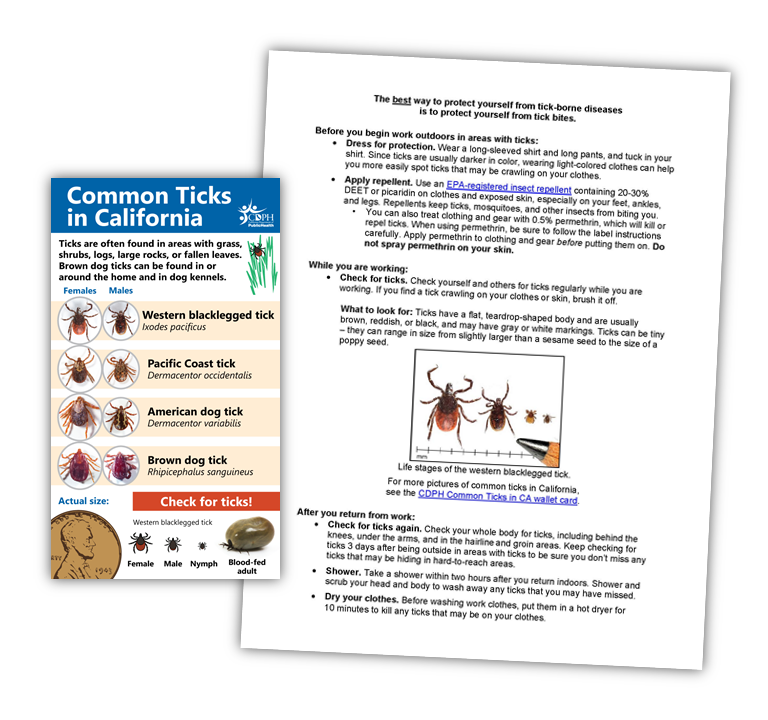
Resources for Workplace
Common Areas:
-
Protect Yourself from Ticks Where You Work 11x17 in. poster (PDF)
-
Prevent Tick Bites – Prevent Disease brochure (PDF) English/Spanish
Training Videos:
The tick wallet card, brochures, and worksite poster are available to order free-of-charge while supplies last. To order, please contact the CDPH Vector-Borne Disease Section at VBDS@cdph.ca.gov or (916) 552-9730.
Information for Employers
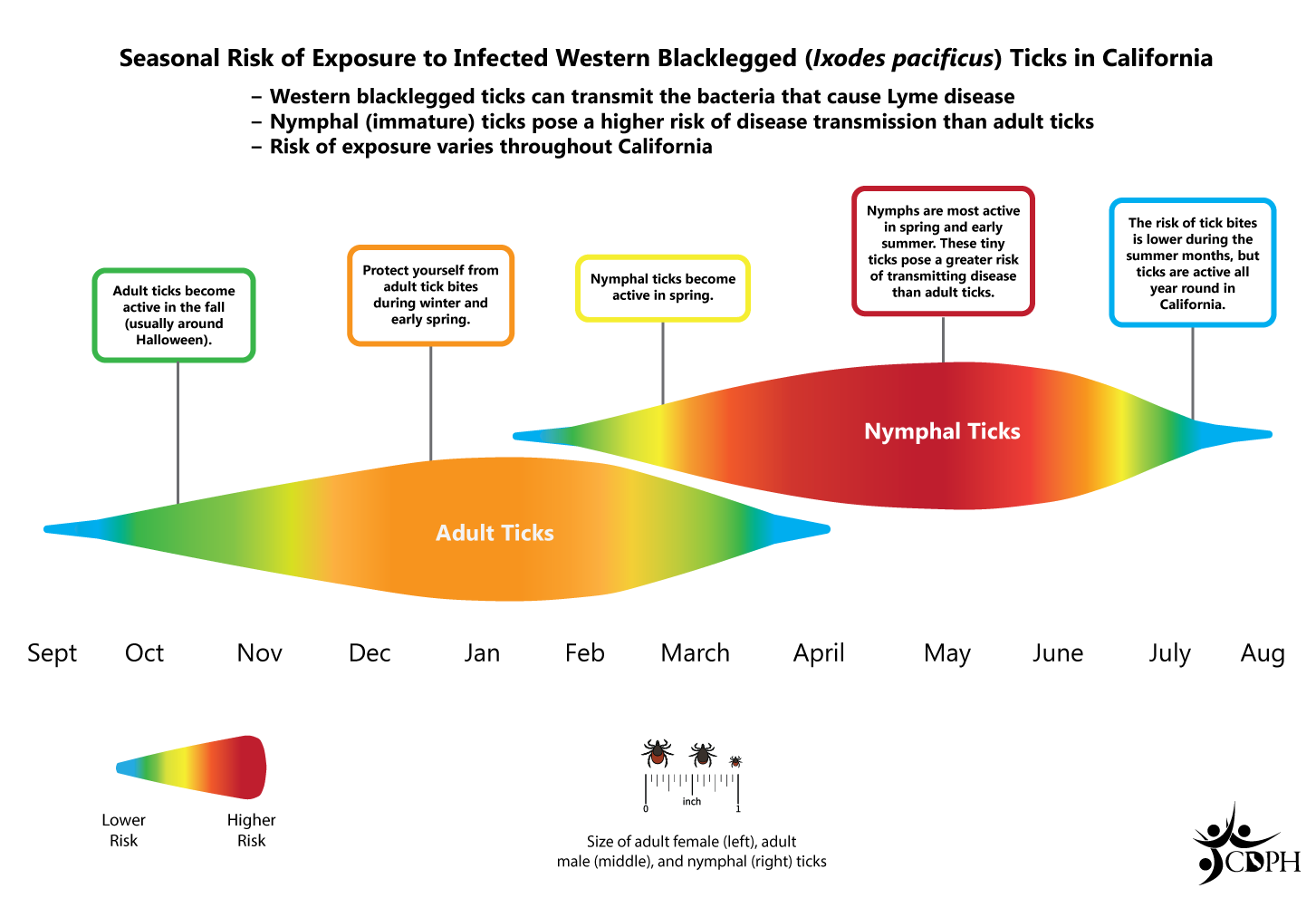
Employers should be aware of where and when ticks are common in California:
Where - Common tick habitat includes grassy, brushy areas and oak, pine, or redwood forested areas.


- For information on areas in California where western blacklegged ticks (which can transmit Lyme disease) have been found in California, view the
CDPH Interactive Maps of Lyme Disease and Tick Surveillance in California.
When - In California, ticks can be found at any time of the year. You are less likely to encounter a tick during the hot and dry summer months.
It is important for employers to know that staff working in certain environments are at increased risk for tick bites that can spread tick-borne diseases.
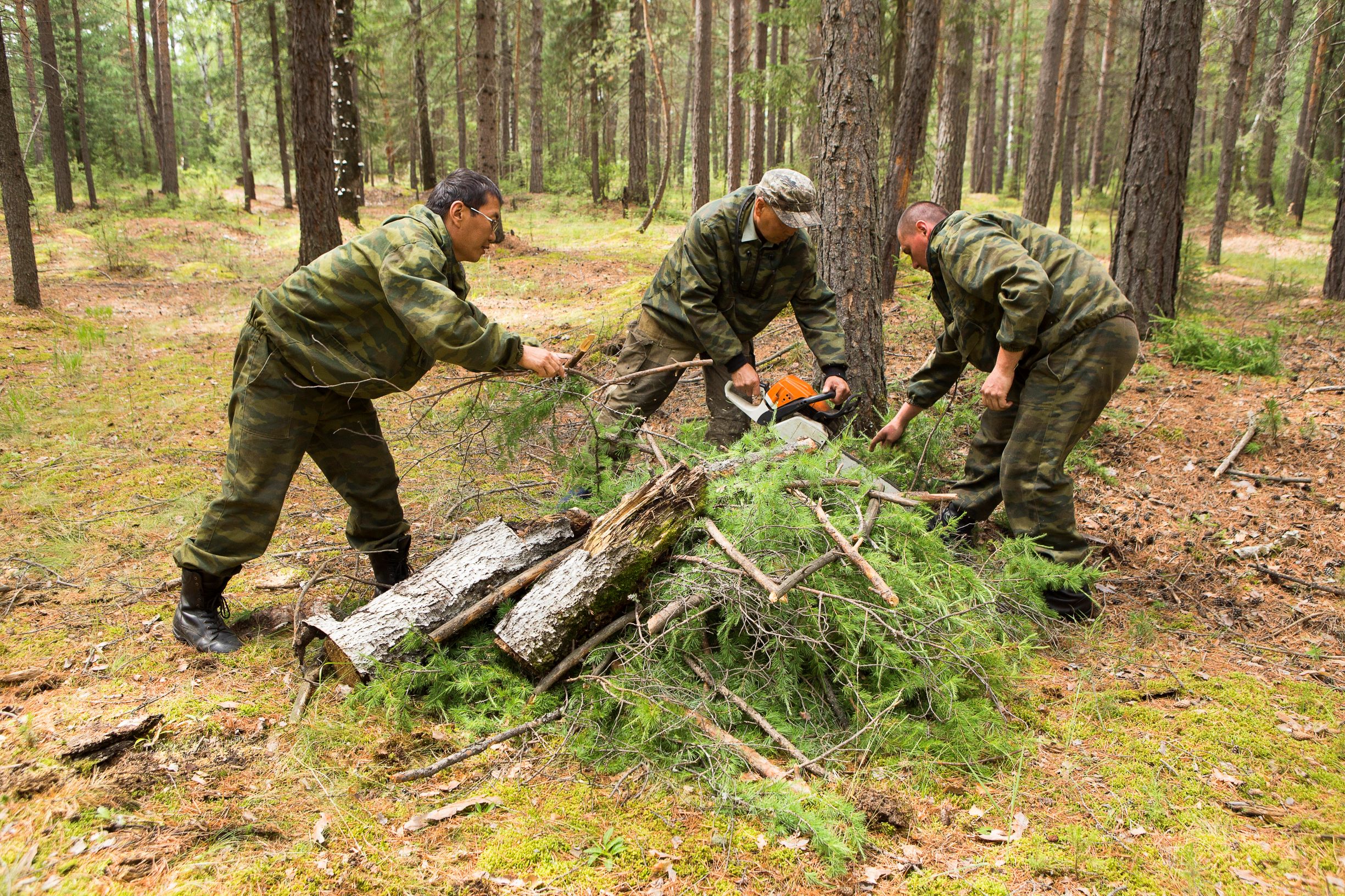

Employers can take proactive steps to help protect their employees and staff from tick bites:
-
Inform staff of the possibility of encountering ticks in the workplace. Provide staff with copies of the CDPH resources in this toolkit to provide prevention information.
-
The Protect Yourself from Ticks Where You Work fact sheet (PDF) provides information on how tick-borne diseases spread, ways to prevent tick bites, and what to do if you are bitten by a tick.
-
The Common Ticks in California wallet card (PDF) is a handy resource that staff can keep with them and includes images of common ticks and steps on how to remove an attached tick.
-
Recommend the use of protective clothing: long-sleeved shirts, long pants, and socks. If uniforms are required, provide light-colored, long-sleeved shirts and long pants as clothing options, so ticks can more easily be spotted on clothing.
-
Instruct employees to regularly check for ticks on their clothes and skin while they are working.
-
Schedule breaks for tick checks, or encourage tick checks during other scheduled breaks (such as lunch breaks or water breaks)
-
Employees can help one another check for ticks in areas that they can't easily see themselves (such as on their back or behind the ears)
-
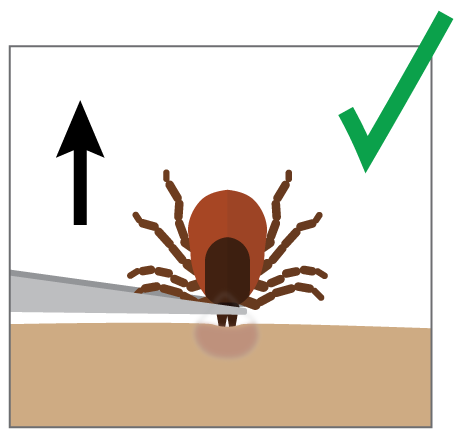
Suggest that staff carry a pair of tweezers with them so they can carefully remove a tick if they find one attached to their skin.
-
Provide EPA-registered insect repellent (containing 20% to 30% DEET) for use on skin and clothing for protection against tick bites. Be sure repellent label instructions are read prior to application and followed correctly.
-
Repellent should be applied before going into areas with ticks.
-
Permethrin, which kills ticks on contact, also can be provided for use on clothing and gear. Commercially available permethrin-treated work clothes may be an option for staff.
-
Remind staff of the importance of timely reporting of tick bites and symptoms of tick-borne disease.
- Incorporate reports of tick bites or symptoms of tick-borne disease into your current protocol for reporting workplace incidents and injuries.
If staff ask about tick testing in the event they are bitten, it's important to know that testing a tick for the presence of a disease-causing agent is not recommended for medical decision making. Instead, staff should monitor for symptoms of tick-borne disease after a tick bite and speak to a healthcare professional. Tick testing is not recommended for the following reasons:
-
Test results may not be accurate
-
Testing may take too long for medical decision-making
-
A positive test result does not necessarily mean transmission of a tick-borne disease has occurred
-
Even if the tick tests negative, the person could have been unknowingly bitten by another tick that was infected
CDC National Institute for Occupational Safety and Health (NIOSH) recommendations for employers and workers - U.S. Centers for Disease Control and Prevention
Find the Repellent that is Right for You – Environmental Protection Agency (EPA)