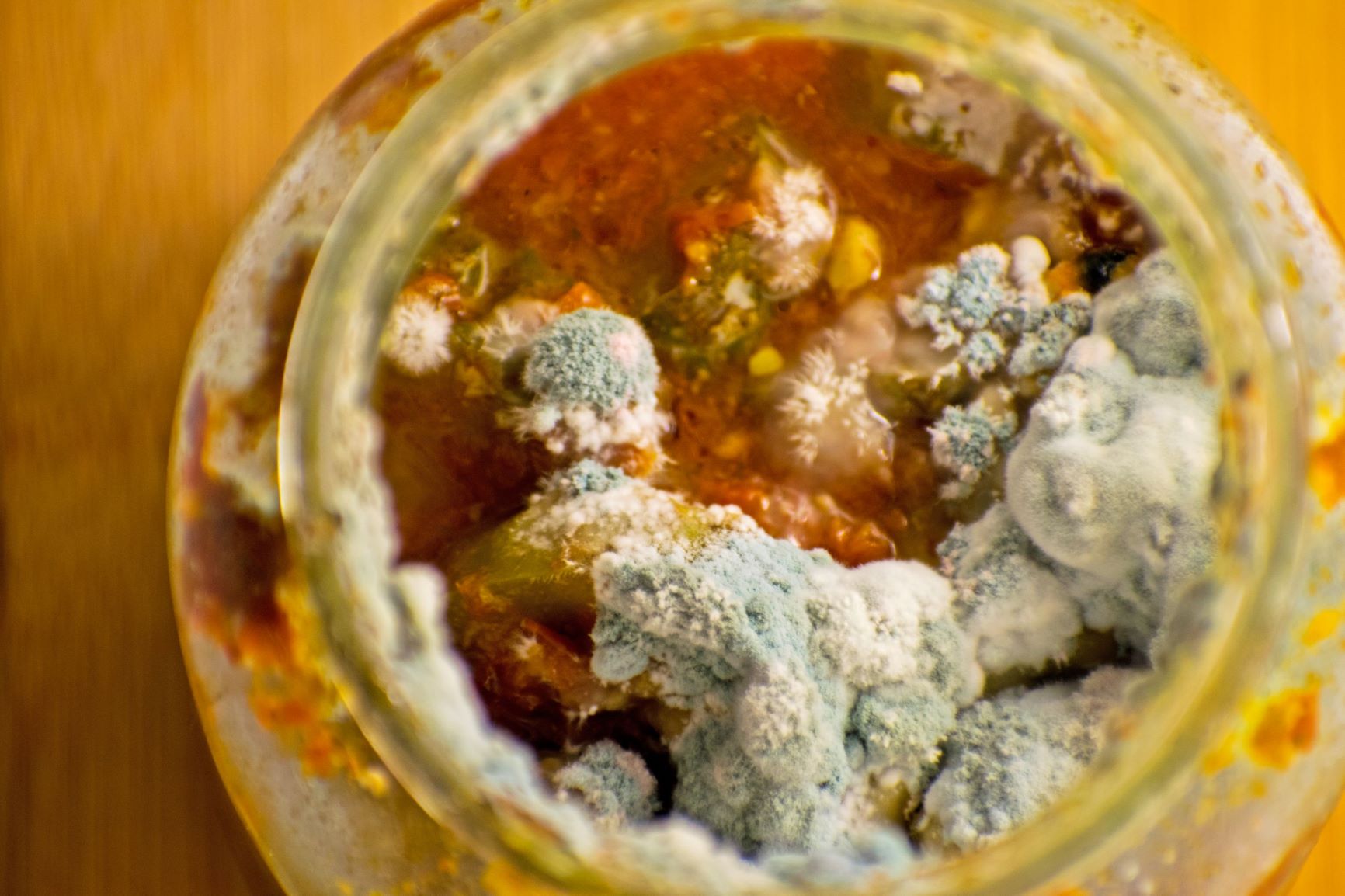



Botulism
What You Need to Know
What is botulism?
Botulism is a rare but serious disease caused by a toxin (poison) that is made by bacteria called Clostridium botulinum (C. botulinum). This botulinum toxin attacks the nervous system and causes paralysis.
What are the symptoms of botulism?
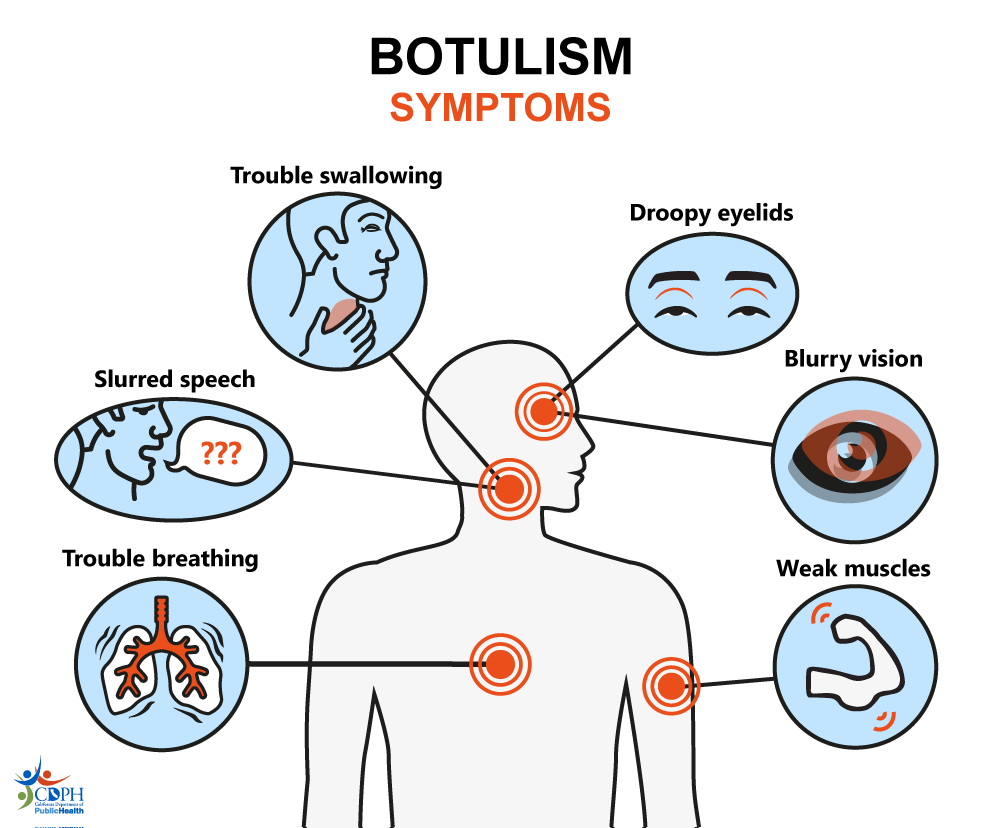
A person who becomes sick with botulism may have:
- Droopy eyelids
- Double or blurry vision
- Muscle weakness in the face
- Trouble swallowing
- Slurred speech or trouble speaking
- Weakness in the arms and legs
A person with botulism might not have all of these symptoms at the same time. Botulism can also weaken the muscles that control breathing. Without medical care, botulism can lead to death.
Babies younger than 15 months old can get
infant botulism and may appear tired, show little facial expression, have a weak cry or poor head control, and appear “floppy” because they can’t control their muscles.
If you or someone you know has symptoms of botulism, call 911 or go to the emergency room immediately.
How can a person get botulism?
-
Foodborne botulism is caused by eating or drinking something that is contaminated with the botulinum toxin.
-
 Foods that aren’t properly processed, fermented, pickled, preserved, stored, or refrigerated can create the right environment for
C. botulinum spores to grow and make the botulinum toxin.
Foods that aren’t properly processed, fermented, pickled, preserved, stored, or refrigerated can create the right environment for
C. botulinum spores to grow and make the botulinum toxin.
Foods that can be risky for botulism are usually low in acid, salt, or sugar and may include: -
Home-canned or home-pickled foods, especially meat or vegetables that aren’t properly preserved
-
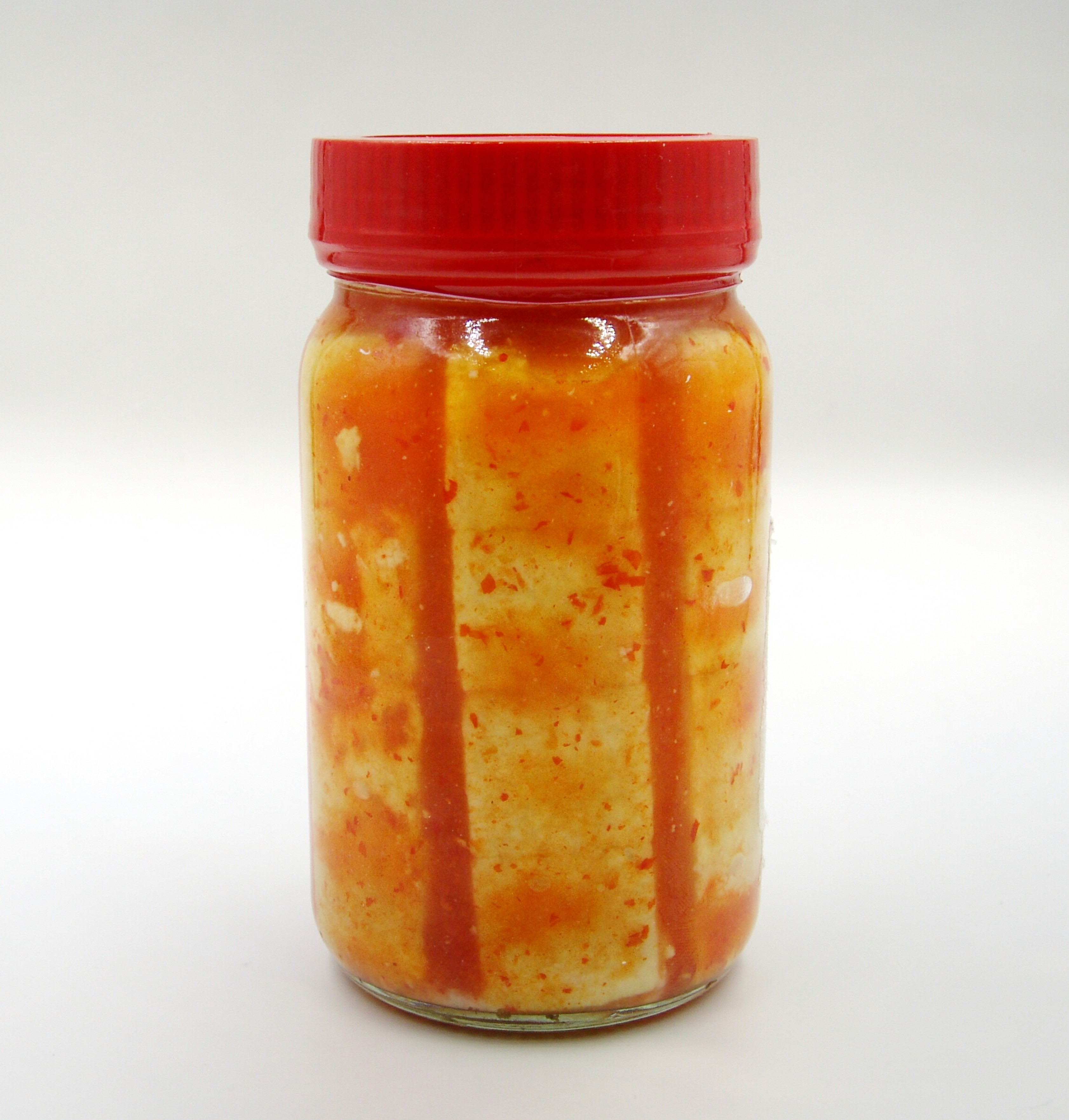 Home-fermented foods, including fermented fish and fermented tofu (also called chao or furu) that aren’t fermented properly
 -
Perishable, store-bought foods that aren’t properly refrigerated (such as soups and chowders)
-
Wound botulism is caused by C. botulinum spores getting into a wound or opening in the skin and making the botulinum toxin.
-
People who inject street drugs like black tar heroin are more likely to get wound botulism than people who do not because C. botulinum spores can get in through the injection site and make the botulinum toxin.
-
Rarely, a traumatic injury (like an open fracture) where dirt or soil gets into the wound can cause wound botulism.
-
Adult intestinal toxemia (adult intestinal colonization) is similar to infant botulism and is caused by C. botulinum spores that get into an adult’s intestines and grow and make the toxin.
- People with severe gut illnesses or past intestinal surgery are more at risk for this type of botulism, but it is very rare.
-
Iatrogenic botulism is caused by accidentally injecting too much botulinum toxin for cosmetic or medical reasons.
-
Botulinum toxin can sometimes be used for medical treatment (such as for migraine headaches) or cosmetic reasons (for wrinkle treatment). In rare cases, injections of too much botulinum toxin (commonly called “Botox”) can cause symptoms of botulism.
-
Harmful reactions similar to the symptoms of botulism can also come from injections of counterfeit (fake) or mishandled Botox.
Although botulism is rare, all forms of botulism can cause death and are considered medical emergencies.
What can happen if someone has botulism?
If not treated quickly, paralysis from botulism starts in the head and face and usually moves down the body, causing breathing problems, full paralysis, and even death. About 1 in 20 people who get botulism die from respiratory failure or the result of long-term paralysis.
Symptoms of foodborne botulism usually begin about 18 to 36 hours after eating or drinking something that is contaminated with the botulinum toxin, but symptoms can occur as early as 6 hours or as late as 10 days.
People with wound botulism may not have symptoms until several days after the wound is infected or injecting contaminated drugs.
How is botulism treated?
Botulism is a very serious disease that can be deadly if not treated. If caught early, botulism can be treated with botulinum antitoxin, which blocks the toxin from causing more harm in the body. But the antitoxin can’t undo any muscle paralysis that has already happened, so it can take weeks or even months for a person to get better. A person with severe botulism may need help breathing and may need to be on a breathing machine (ventilator) for weeks with intensive medical care.
Botulinum antitoxin for patients 15 months of age and older in California is available by working with the local public health department, CDPH, and the U.S. Centers for Disease Control and Prevention (CDC). If the diagnosis of botulism is suspected, healthcare providers can ask for the botulinum antitoxin through their local health department, which will work with CDPH and CDC to release the antitoxin. For infant botulism, healthcare providers should contact the CDPH Infant Botulism Treatment and Prevention Program to obtain the licensed human botulinum antitoxin, BabyBIG.
- CDPH Botulism fact sheet (PDF) – January 2021
- WARNING! Black Tar Heroin May Cause Botulism poster (PDF) – August 2018
- Infant Botulism Parents Corner – CDPH Infant Botulism Treatment and Prevention Program
- CDC About Botulism
- CDC Botulism Prevention
- USDA Clostridium botulinum & Botulism – U.S. Department of Agriculture, Food Safety and Inspection Service
National Center for Home Food Preservation – University of Georgia
- UC Davis EATLAC – Educational resources and accurate scientific information on lacto-fermented fruits and vegetables