





Shigellosis
Shigellosis Among Gay, Bisexual, and Other Men Who Have Sex With Men
Note: Content on this page contains mature language.
What is shigellosis?
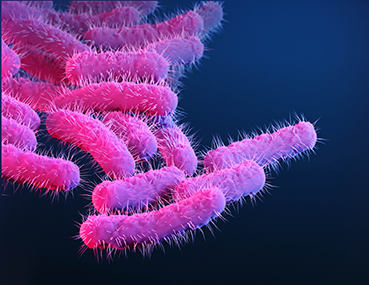
How It Spreads Through Sex
A person who has shigellosis will have Shigella bacteria in their poop while they are sick and for about 2 weeks afterward. You can get shigellosis if Shigella bacteria from someone’s poop get into your mouth. This can happen while having sex OR if something gets into your mouth (such as hands, fingers, and other objects) that has come in contact with poop germs.
Ways
Shigella bacteria can spread through sexual activity:
Anal sex, oral sex, or anal play (rimming, fingering)
Touching or handling sex toys, used condoms/other barriers used during sex, and douching materials
It only takes a few Shigella bacteria from a tiny amount of poop to make someone sick. You can’t tell by looking if something is contaminated with germs – your hands or a sex toy may look clean, but they could still be covered with germs.
Signs and Symptoms
 Not everyone infected with
Shigella bacteria will have symptoms. If symptoms of shigellosis develop, they can include:
Not everyone infected with
Shigella bacteria will have symptoms. If symptoms of shigellosis develop, they can include:
- Diarrhea, sometimes bloody or lasting more than 3 days
- Fever
- Stomach pain and cramps
- A strong, even painful urge to poop
Symptoms usually start within 1–2 days after exposure to
Shigella bacteria from poop and can last about a week. Most people with mild shigellosis usually get better on their own without antibiotic treatment. People who have health conditions that weaken the immune system (such as infection with HIV) or are taking medications that weaken the immune system are more likely to get severely ill and stay sick for a longer time if they have shigellosis. People in these groups should seek medical care if they think they have shigellosis.
Testing
If you or a sexual partner have diarrhea (especially bloody diarrhea) lasting more than 3 days
AND fever, severe stomach pain, or are dehydrated as a result of diarrhea, talk to a health care provider about shigellosis. A health care provider can test your poop to see if you have shigellosis. If you have severe shigellosis, a health care provider may also test your poop to determine the kind of
Shigella bacteria you’re infected with. This information is needed to better understand which antibiotics will work to treat severe shigellosis if you have it.
Prevention
The best way to prevent shigellosis through sex is by not having sex with someone who had diarrhea within the last 2 weeks.
There is no vaccine to prevent shigellosis.
Important: If you or your sexual partner(s) have diarrhea OR have had diarrhea recently, WAIT at least 2 weeks until after the diarrhea ends to have sex of any kind (including playing with and/or sharing sex toys that haven’t been properly washed or cleaned). Shigella bacteria can still be in poop for a few weeks after diarrhea goes away, meaning you can still spread Shigella to other people, even if you don’t feel sick.
You can help protect yourself and your sexual partner(s) from shigellosis:
Before sex
Ask your partner(s) if they have or recently had diarrhea. If so, WAIT to have sex until it’s been at least 2 weeks since they had diarrhea.
Wash your hands, genitals, and anal area with soap and water.
For example, take a shower and wash your body with soap.
Douching and enemas may wash out some Shigella but don’t wash away 100% of Shigella bacteria, and instead might even worsen the spread of germs from inside your anus to the skin and areas outside it. Make sure to wash your hands, body, and douching materials with soap and water after douching.
During sex (and while using sex toys)
Use barriers like condoms and dental dams during oral sex (including rimming or anilingus, mouth-to-anus) to help keep poop germs out of your mouth.
Use disposable gloves (latex or nitrile) during anal fingering or fisting to keep your hands and fingers clean.
After sex
- Throw away used sexual barriers (condoms, dental dams, and gloves) in the trash.
- Thoroughly wash sex toys with soap and water.
- Wash your hands, genitals, and anal area with soap and water.
- For example, take a shower and wash your body with soap.
Treatment
Most people who have shigellosis get better after a week without any antibiotics or other kinds of treatment. But it’s important to know that Shigella bacteria can still be in your poop for a few weeks, even after symptoms go away. Some people need treatment with antibiotics, including people who have or are at risk for severe or long-lasting shigellosis. People who have preexisting health conditions or weakened immune systems due to certain medical conditions (such as HIV infection or cancer) or treatments (such as chemotherapy) are more likely to get severely ill and stay sick for a longer time. Severe outcomes of shigellosis in these groups can include a life-threatening blood infection. Other outcomes can also include arthritis, which can last many months to years.
Shigellosis can be treated with the right antibiotic, but it is possible to get infected with
Shigella again.
If you have shigellosis:
Take care of yourself.
-
Drink plenty of fluids so you don’t get dehydrated (diarrhea can make you lose fluids/water quickly).
-
Take medication exactly as prescribed by your health care provider. (This can help prevent antimicrobial resistance and the spread of resistant germs.)
-
Do not take over-the-counter anti-diarrheal medicine, such as Imodium (generic name: loperamide), because it can make your symptoms worse.
Take care of your partner(s) and those around you.
-
Do not have sex while you have diarrhea and for at least 2 weeks after your diarrhea goes away.
-
Consider telling your sexual partner(s) if you found out you have shigellosis and just recently had sex.
-
Do not prepare food for other people, since poop germs can accidentally spread from unwashed hands to food that people may eat.
-
Wash your hands with soap and water often, especially after using the bathroom.
-
Stay out of recreational water including shared swimming pools, spas, hot tubs, ponds, and lakes while you have diarrhea and for at least 2 weeks afterward. Diarrhea and swimming don’t mix – poop germs can easily spread in water and make others sick.
-
Stay home from jobs in healthcare, food service, or childcare until your health department says it’s safe to return.
Resources
- CDC About Shigella Infection Among Gay, Bisexual, and Other Men Who Have Sex with Men – U.S. Centers for Disease Control and Prevention (CDC)
-
CDC Preventing Shigella Infection Among Sexually Active People
-
CDC About Shigella Infection
-
CDPH Sexual Health Information
-
CDPH STI Prevention for Gay, Bisexual, and Other Men Who Have Sex with Men