





Valley Fever
Which animals can get Valley fever?
Many different kinds of animals can get Valley fever, including pets, livestock, and wildlife. In California, Valley fever has been most often found in dogs, llamas, and alpacas. Not all animals that are exposed to the fungus that causes Valley fever will get sick. If you are concerned about Valley fever in your pet or animals, talk with your veterinarian, and learn tips to help protect your pet.
How do animals get Valley fever?
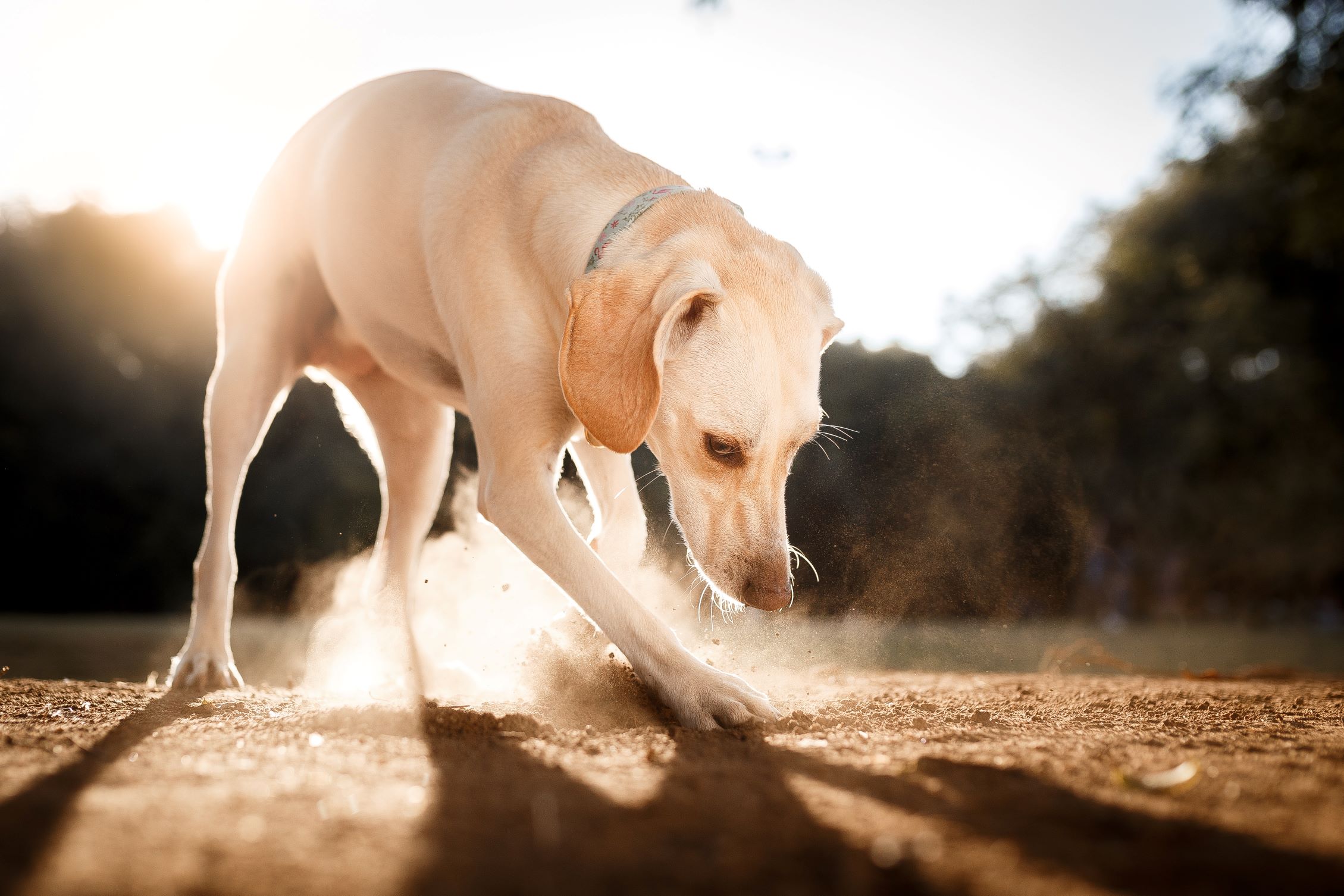
Animals get Valley fever the same way as humans, by breathing in spores of the Valley fever fungus found in dirt and dust in outdoor air. The fungus can get into the air when soil or dirt containing the fungus is stirred up by strong winds or while digging. After an animal breathes in the fungus, the fungus can infect its lungs and may spread to other parts of its body.
What is Valley fever?
Valley fever—also known as coccidioidomycosis or “cocci”—is a disease caused by a fungus that lives in the soil and dirt. This fungus can infect the lungs and cause respiratory disease in people and animals. In North America, Valley fever is most common in the southwestern United States, including Arizona and the Central Valley and Central Coast regions of California, and parts of Mexico.
What are signs of Valley fever in pets and other animals?
The signs of Valley fever can be different depending on the type of animal. Not all animals that are exposed to the Valley fever fungus will get sick. Some animals can have no or mild illness, while others have severe disease and may die. The signs and type of disease that an animal has depends on how widespread the infection is in the animal's body and which body parts the fungus has infected.
Dogs
Just like in humans, Valley fever in dogs mainly affects the lungs. If a dog gets sick, it will usually develop respiratory signs (most commonly a dry cough) that get better on their own over a few weeks. Dogs may also have a fever, appear tired or inactive, have diarrhea or pneumonia (an infection of the lungs), or may not be interested in food.
If the Valley fever fungus infection spreads to other parts of the body, dogs can have other signs of illness, such as:
- Pain and/or swelling of the joints and limbs
- Limping (lameness) or difficulty walking
- Back or neck pain
- Neurologic signs, including seizures, changes in vision, and loss of muscle control
- Lumps and bumps under the skin
- Swollen lymph nodes around the jaw, in front of the shoulder blades, or behind the back legs
- Skin wounds that drain fluid
- Swelling and redness of the eye and surrounding skin with pain and cloudiness
Cats
Cats that have Valley fever most often have a skin infection or condition, usually swelling or a wound on the skin. Infected cats also commonly have a fever, decreased appetite, and weight loss. Respiratory signs, limping, neurologic signs, and eye changes are less common in cats than in dogs.
Livestock and Other Animals

Livestock (horses, cattle, goats, and sheep) can also become infected with the Valley fever fungus, but they usually do not show signs of being sick. If they do, it is usually a cough that lasts weeks to months.
Camelids (camels, llamas, and alpacas) are vulnerable to Valley fever and usually develop a severe infection that spreads throughout the body and causes death. When these animals have Valley fever, they often have weight loss, coughing, and decreased energy and desire to eat. Limping, skin wounds, and hair loss may develop with infections that spread beyond the lungs to other parts of the body (called disseminated infection). Pregnant camels, llamas, and alpacas may also pass on the infection to their developing babies.
What should I do if I think my pet has Valley fever?
If your pet has trouble breathing or shows other signs that could be Valley fever, have your veterinarian examine your animal. Valley fever treatments for animals are available. If the infection spreads throughout the body, animals may need much longer treatment (12-18 months or more), which may or may not be successful. Infections that reach the brain may require lifelong treatment, as well as medications to control other signs such as seizures. More severe infections may require hospitalization or surgery.
Unfortunately, medical and surgical treatment cannot always help an animal with Valley fever, and some animals may die. About 1 in 4 dogs with Valley fever get sick again after treatment. It is possible for your pet or animal to become infected more than once and get Valley fever again.

When should I talk with my veterinarian about Valley fever in my animals?
Talk with your veterinarian at any time that you think your pet or animal is sick or if you have questions or concerns about its health. Let your veterinarian know if your pet has been in dusty areas where Valley fever is common, including in the Central Valley or Central Coast areas of California. If your veterinarian thinks your pet could have Valley fever, your veterinarian may order blood tests or take X-rays to help determine if your pet is sick because of Valley fever or because of something else.
How can I help protect my pet from getting Valley fever?
The only way to completely prevent Valley fever is to avoid breathing outdoor dust in areas where Valley fever is common, but it can be difficult to avoid breathing in dust outdoors. The risk of getting Valley fever is greatest when dirt containing the Valley fever fungus is stirred up into the air, such as while digging and during windy conditions or dust storms. The best way to protect your pet and yourself is to prevent breathing in dust as much as possible, especially in areas where Valley fever is most common in California.