





Vibriosis (Non-Cholera)
Vibriosis in California
About 200 to 350 vibriosis cases are reported each year in California. Infections are more common in the summer and fall months (June through October). It is
estimated that for every 1 vibriosis case reported, there are over 140 cases that are
not diagnosed, which means there are many more people in California that get sick with vibriosis than we know.
How can a person get vibriosis?
People can become infected with Vibrio bacteria and get vibriosis in different ways:
-
By eating raw or undercooked seafood, especially oysters and other shellfish, or by eating food that has been contaminated with drippings from raw seafood and shellfish
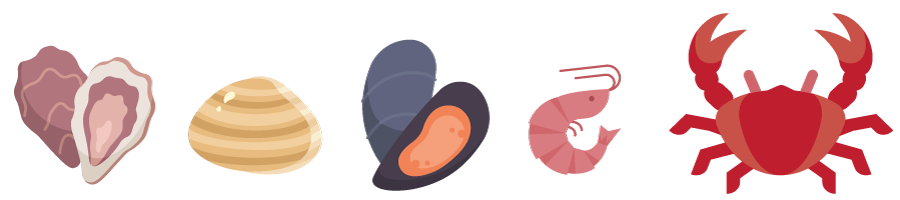
- Oysters feed by filtering seawater. If they live in areas where Vibrio bacteria are present in the water (such as the Gulf of Mexico, Pacific Northwest, and Chesapeake Bay), Vibrio bacteria can build up in the oysters as they feed. People may eat these oysters later and become sick. Other seafood that can also be contaminated with Vibrio include clams, mussels, scallops, crawfish, crab, and fish.
-
When Vibrio bacteria get into a cut or open wound on the skin (including a wound from a recent injury, surgery, piercing, or tattoo)
-
 This can happen when a break in the skin is exposed to contaminated seawater, brackish water, or drippings from seafood.
- When Vibrio bacteria get into a person’s ear
-
This can happen when contaminated water gets into and stays in the ear for a long period of time, causing an ear infection.
Vibriosis does not normally spread from person to person.
What are the symptoms of vibriosis?
The symptoms of vibriosis will depend on how a person is infected.
-
If someone is infected by eating or swallowing Vibrio bacteria from contaminated food, then symptoms usually include watery diarrhea, abdominal cramps, nausea, vomiting, fever, and chills. Symptoms can begin within 1 day of eating contaminated food, and most people get better on their own without treatment in about 3 days.
-
If someone is infected with Vibrio bacteria through the skin, they will have a skin infection that can range from mild to very severe and life-threatening. Symptoms can include redness, pain, swelling, warmth, and oozing fluid at the site of the skin infection, which can spread to other parts of the body. Skin infections usually begin 12 to 72 hours after exposure to contaminated seawater.
-
If someone is infected with Vibrio bacteria in the ear, they may have symptoms of an ear infection, such as redness, swelling, warmth, pain, drainage or discharge of fluid, and hearing loss.
Vibriosis Outbreaks
When two or more people get sick with the same strain of Vibrio after eating the same food, this is called a foodborne outbreak of vibriosis. Foodborne outbreaks of vibriosis have been linked to oysters, clams, and crab harvested from all over the world.
What can I do to protect my family and myself from vibriosis?
Anyone can get vibriosis, but certain groups of people are more likely to get very sick if they get infected with Vibrio bacteria, including:
- People with certain health conditions that weaken the immune system, such as liver disease, cancer, diabetes, and HIV, or people who are getting treatment or taking medicine that can affect the immune system
People in these groups must be especially careful to follow the steps below to avoid and prevent vibriosis.
There are things you can do to prevent vibriosis:
Play it safe with seafood
-
You can get very sick from eating raw oysters and shellfish – don’t risk it!
-
Contaminated oysters may not look, smell, or taste different from other oysters.
-
Adding hot sauce or lemon juice to raw oysters doesn’t kill bacteria. Only cooking oysters to the right temperature will kill germs that can make you sick.
-
Thoroughly cook all oysters, clams, shrimp, and other shellfish before eating.
-
Follow these steps for safer at-home oyster handling: Keep it clean, Keep it cold, Eat it soon (PDF)
-
Be careful not to mix or cross-contaminate cooked foods with raw seafood and juices from raw seafood.
-
Always wash your hands and surfaces where you prepare food with soap and water after handling or preparing raw shellfish.
-
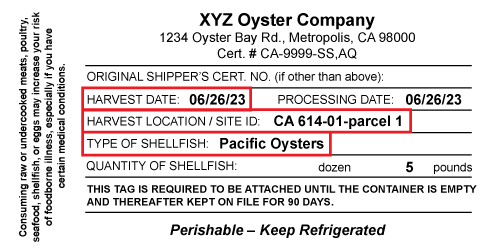
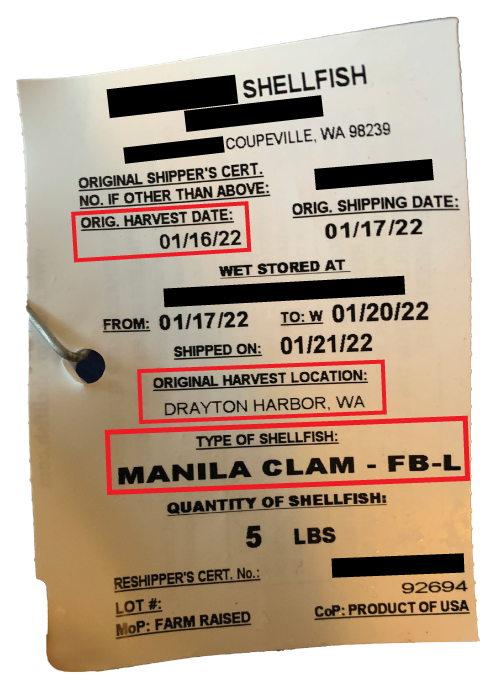
Know the source of your shellfish by taking photos of the tag, label, or menu, and be aware of CDPH shellfish advisories.
Learn more about Vibrio and oysters
-
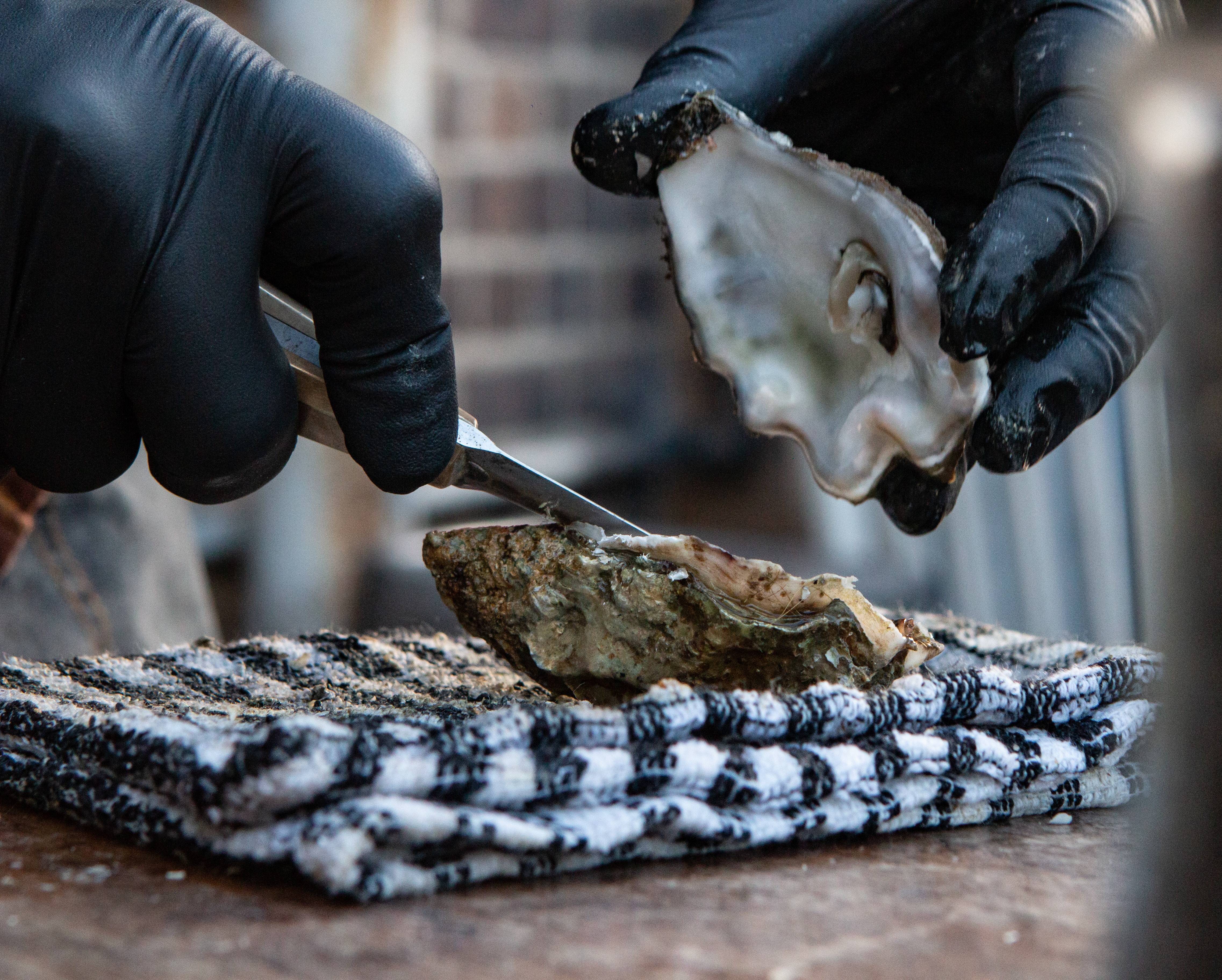 Wear clothes and shoes that can protect you from cuts and scrapes when in seawater or brackish water.
 -
Wear protective gloves when handling raw seafood.
-
If you have an open skin wound or recent piercing or tattoo, stay out of seawater and brackish water (this includes wading at the beach).
-
Cover a skin wound with a waterproof bandage to protect it from any possible contact with seawater, brackish water, or juices from raw seafood.
-
This contact could happen during everyday activities like swimming, surfing, fishing, boating, preparing food, or walking on the beach.
-
Wash skin wounds and cuts with soap and water if they have contact with seawater, brackish water, or raw seafood or its juices.
Learn more about Vibrio and skin wounds
Protect your ears
-
Keep water out of your ears by wearing earplugs or a swimming cap while swimming, surfing, or doing other activities where water could get into your ears.
-
After swimming, tip your head to each side to help any water drain out of your ears.
Learn more about ear infections associated with swimming
What is the California Department of Public Health doing about vibriosis?
The California Department of Public Health (CDPH) and local health departments monitor cases of vibriosis because Vibrio bacteria can easily contaminate the areas where shellfish (especially oysters) are grown and harvested, as well as areas where people recreate or spend time fishing, swimming, or wading in seawater. CDPH and local health and environmental departments monitor for outbreaks and investigate them to find a common source and take measures to prevent more people from getting sick.
When illness is associated with eating contaminated seafood, local environmental health staff investigate to find the source of the contaminated seafood. If an outbreak occurs, CDPH can remove contaminated seafood from the market, close California waters, and notify authorities from the states where shellfish are grown and harvested.
The CDPH Shellfish Program regularly monitors coastal and brackish waters in California where shellfish are grown and harvested to make sure that shellfish are safe for people to eat. More information on this program is available at the CDPH Shellfish Program webpage.
Levels of Vibrio bacteria are high in the Gulf of Mexico during the hot summer months, and many cases of vibriosis reported in the summer have been associated with eating raw oysters harvested from the Gulf. A 2003 regulation (PDF) prohibits the sale of raw oysters in California that have been harvested in the Gulf of Mexico during the summer months unless the oysters have been processed so that the levels of Vibrio vulnificus bacteria are not detectable. This has led to a marked decrease in the number of reported cases of severe vibriosis among California residents.
- CDC About Vibrio Infection
- CDPH Food and Drug Branch Seafood and Shellfish Safety Program
- CDPH Safe at Home-Oyster Handling (PDF)
- FDA Seafood webpage – U.S. Food & Drug Administration (FDA)
- CDPH Foodborne Illnesses and Outbreaks webpage
- California Office of Environmental Health Hazard Assessment 2022 Report – Indicators of Climate Change in California
- Coastal Water Temperature Guide – National Centers for Environmental Information
- CDPH Shellfish Advisories – recent
news releases announcing shellfish advisories and quarantines
- CDPH Recreational Shellfish Advisory Map
- Interstate Shellfish Sanitation Conference (ISSC) Notices of Illnesses Outbreaks, Shellfish Closures, Reopenings, & Recalls