




Foodborne ilLnesses and Outbreaks
Outbreaks in 2025
with CA Patients
Outbreaks in 2024
with CA Patients
Organic WalnutsShiga toxin-producing E. coli O157
Queso Fresco and Cotija Cheese
Listeria monocytogenes
 Foodborne illnesses (sometimes called “food poisoning”) are caused by eating or drinking something that is contaminated with germs (such as bacteria, viruses, or parasites) or chemicals (such as toxins or metals) that can make people sick. Many foodborne illnesses can cause sudden symptoms like upset stomach, diarrhea, and vomiting, but most people get better in a few days without treatment. Some foodborne illnesses can cause other serious symptoms, resulting in hospitalization, long-term health problems, or even death.
The U.S. Centers for Disease Control and Prevention (CDC) has estimated that every year in the United States:
- 48 million (or 1 in 6) people get sick from a foodborne illness
- 128,000 people are hospitalized because of a foodborne illness
- 3,000 people die from a foodborne illness
Contaminated Food & Drinks
The things we eat and drink can become contaminated in many different ways. Germs can get into food when the food is being grown or made, when the food is transported or distributed, and even when the food is prepared at a restaurant or in your home. 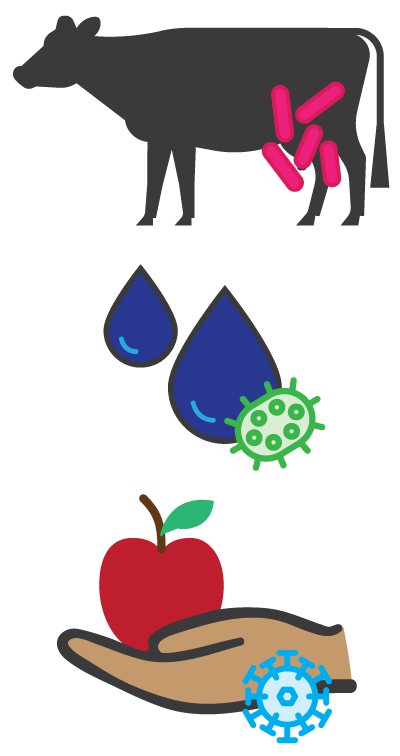
Germs can contaminate food and drinks if:
Infected animals are used to produce meat or dairy products
Contaminated water is used to grow or wash food
People who are infected prepare or serve food to others
Germs can then multiply and produce toxins, especially when food and drinks are not refrigerated or stored properly.
Some types of food and drinks are more likely than others to be contaminated with germs and make people sick. These include:

Raw or undercooked meat, poultry, and seafood (including beef, chicken, and oysters)
Raw or unpasteurized milk, dairy products, and juice (including soft cheeses, ice cream, and apple cider)
Raw or undercooked eggs
Fresh fruits and vegetables (including sprouts, leafy greens, and unwashed produce)
Raw flour (such as flour that is in raw cookie dough)
When food and drinks are not cooked properly or pasteurized, any germs inside are still alive and can make you sick when you eat or drink them.
What are foodborne outbreaks?
 When two or more people get sick from eating the same contaminated food, this is called a foodborne outbreak. Many people think of foodborne outbreaks as something that happened when a group of people got sick after eating contaminated food at the same restaurant or potluck. However, many outbreaks have happened among people who lived far apart and ate food that was contaminated where it was grown or prepared before it was distributed in stores or restaurants across different states.
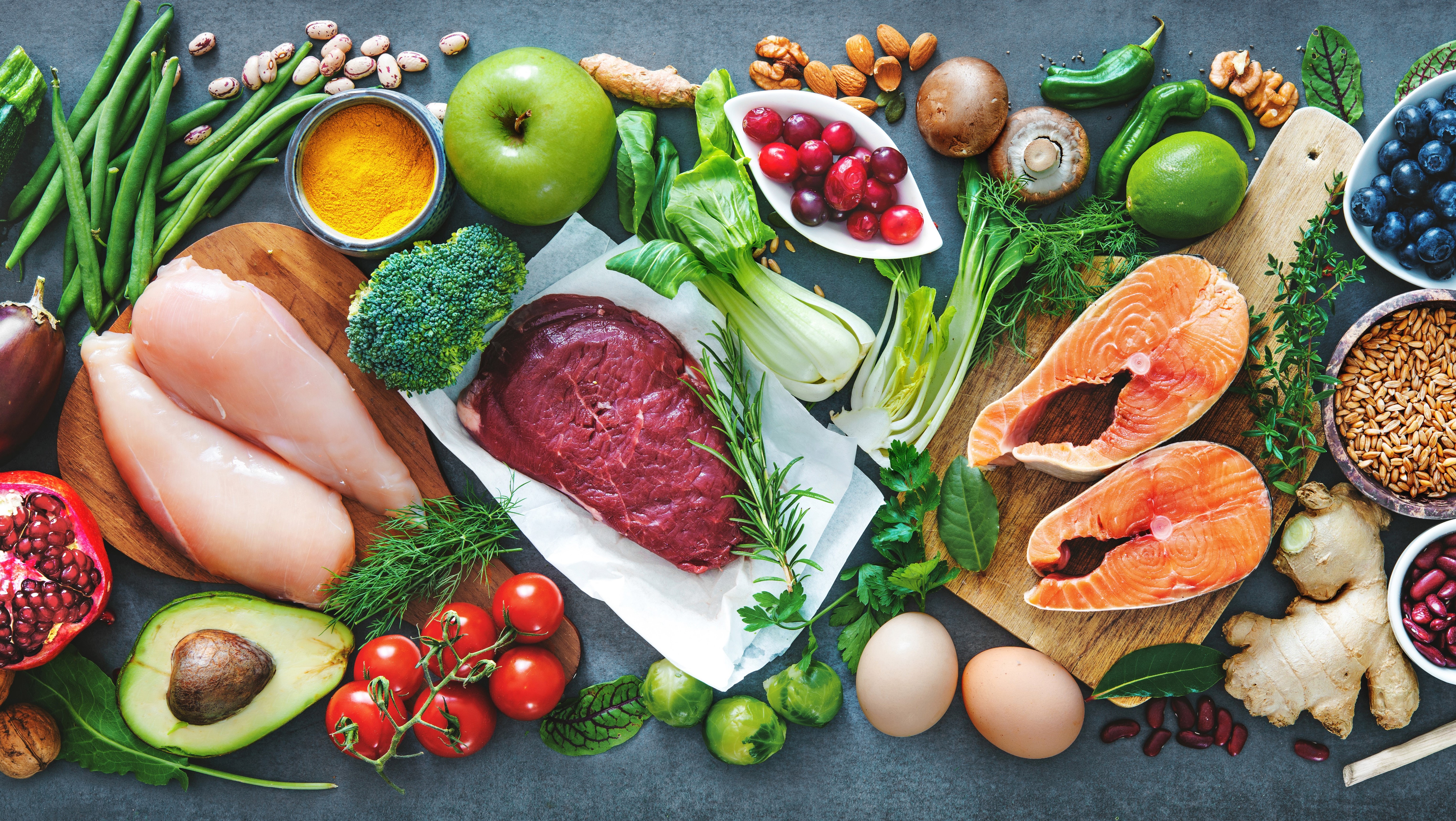
Foodborne outbreaks have been linked to many different types of contaminated food and drinks, including fruits and vegetables, raw dairy products, seafood, chicken, beef, pork, and processed foods (such as flour, cereal, and peanut butter). Raw or undercooked meat (including chicken and seafood) and animal products (like eggs or milk) are most likely to be contaminated with germs that can make people sick and cause foodborne outbreaks.
How can I help prevent foodborne outbreaks?
If you think you have a foodborne illness:
-
Report it to your local health department – local health departments tell CDPH about foodborne illnesses so that CDPH and public health officials can identify and control outbreaks to prevent more people from getting sick. By sharing information about your foodborne illness with the local health department, you can help keep other people from getting sick.
-
See a doctor or healthcare provider to get tested – tests can help figure out what kind of germ or chemical made you sick.
- Keep track of what and where you ate in the past week – the food that made you sick is often not the last food you ate!
-
 Write down everything you remember eating and drinking in the 7 days before you got sick:
 -
Keep track of where you ate or went shopping for food (such as restaurants, grocery stores, food trucks, parties, and other events with food).
Gather receipts from restaurants, grocery stores, or online food orders. If you took pictures of the food you ate, or menus you ordered from, those can be helpful too.
If you are enrolled in a food benefits program or a store rewards or loyalty program, that information can help, too. These programs keep track of recent purchases and other important details that you might not know or remember (like food brands and purchase dates).
Gathering this information and sharing it with your local health department and healthcare provider can help with an outbreak investigation – the more details you can remember, the better!

What is the California Department of Public Health (CDPH) doing about foodborne illnesses and outbreaks?
Healthcare providers tell their local (county) health department about cases of foodborne illness, and in turn, local health departments tell CDPH so that public health officials can find and control outbreaks to prevent more people from getting sick. Health departments also collect lab test results from people who are sick. These tests are important because they help determine which people are getting sick by the same type of germ.
When CDPH learns of people who are getting sick by the same type of germ, they work with local, state, and federal health agencies to find out if the illnesses were caused by a common source, such as a contaminated food. CDPH and local health department officials may interview you over the phone to find out what you ate and did before you got sick. Your participation helps
make a difference! To help prevent more people from getting sick, public health officials may sometimes temporarily close a restaurant involved in an outbreak or remove contaminated food products from stores.
- CDC Foodborne Outbreaks – U.S. Centers for Disease Control and Prevention (CDC)
- CDC Food Safety
- FDA Safe Food Handling – U.S. Food and Drug Administration (FDA)
- USDA Food Safety – U.S. Department of Agriculture (USDA)
-
Food Safety During Power Outage – Foodsafety.gov
-
Food and Water Safety During Power Outages and Floods – FDA
-
Leveraging Food Purchase History to Solve Foodborne Outbreaks – Association of Food and Drug Officials
-
Amebiasis
-
Botulism
-
Brucellosis
-
Campylobacteriosis
-
Ciguatera Fish Poisoning
-
Cyclosporiasis
-
Cysticercosis (Pork Tapeworm)
-
Domoic Acid and Amnesic Shellfish Poisoning
-
Giardiasis
-
Hepatitis A
-
Listeriosis
-
Norovirus (Norwalk Virus)
-
Raw Milk and Raw Dairy Products
-
Salmonellosis
-
Scombroid Fish Poisoning
-
Shiga Toxin-producing E. coli (STEC) Infection
-
Shigellosis
-
Toxoplasmosis
-
Typhoid Fever
-
Vibriosis (Non-Cholera)