


salmonellosis
What are the symptoms of salmonellosis?
How can I get salmonellosis?
- Eating or drinking contaminated food or drinks — People usually get salmonellosis by eating or drinking raw or undercooked food or drinks that are contaminated with animal poop. These often include animal food products like beef, poultry, milk, or eggs, but any food (including seafood, fruits, vegetables, and processed foods) may become contaminated. These foods usually look and smell normal but can be contaminated with small particles of animal poop containing Salmonella bacteria that can make a person sick. Food may also become contaminated by the hands of an infected person who did not properly wash their hands after using the toilet.
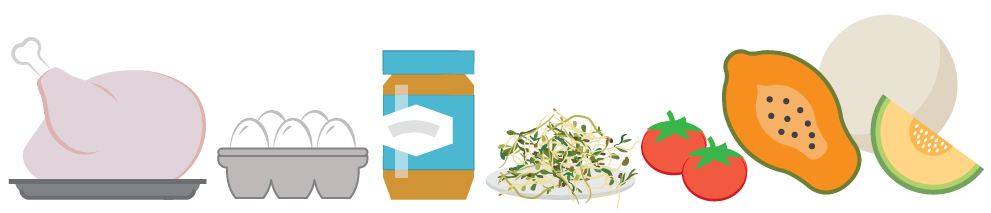
Any food can be contaminated with Salmonella bacteria. Examples of food that have been contaminated and made people sick include: poultry, eggs, peanut butter, sprouts, tomatoes, papaya, and cantaloupe.
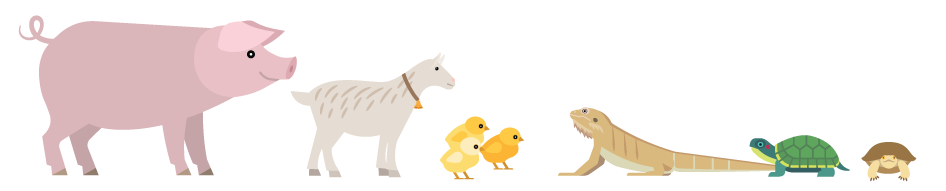
- Touching animals, animal poop, or animal areas and then touching the eyes, nose, or mouth — People can also get salmonellosis from direct or indirect contact with animals, including household pets and pet food and treats:
- Farm animals (including cows, goats, pigs, and sheep)
- Reptiles and amphibians, such as turtles, lizards, snakes, and frogs
- Poultry (chicks, chickens, duckling, ducks) and other birds
- Pet food and treats such as dry kibble, frozen mice, and pig ears
What can I do to protect my family and myself from salmonellosis?
Anyone can get salmonellosis, but certain groups of people are more likely to get very sick if they get infected with Salmonella bacteria:
- Pregnant women
- Children under the age of 5 years
- Adults aged 65 years and older
- People with certain medical conditions that weaken the immune system (such as diabetes or cancer)
People in these groups must be especially careful to avoid and prevent salmonellosis.
There are things you can do to help prevent salmonellosis and keep you and your loved ones safe:
Keep your hands clean:
Wash hands with soap and water and scrub them together for at least 20 seconds (be sure to help children wash their hands):
Before preparing or eating food
After using the toilet
After changing diapers or cleaning up someone who has used the toilet
Before and after caring for someone who has diarrhea
After touching or handling reptiles (such as turtles, lizards, and snakes), live poultry (such as birds, chicks, and ducklings), amphibians (frogs), or any areas where these animals live
After touching animals or being in animal areas at petting zoos, farms, fairs, or even your own backyard
Practice the four steps of food safety:
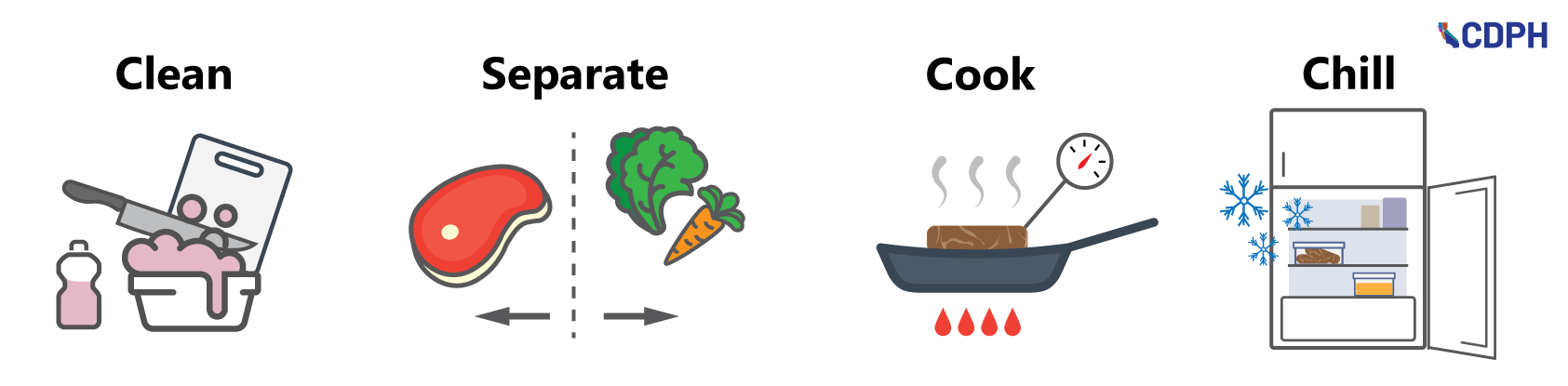
- Clean
Wash your hands, utensils, and the surfaces where you prepare food with soap and water, especially after touching raw meat, poultry, eggs, or seafood.
Wash raw fruits and vegetables thoroughly under running water before eating, even if they will be peeled.
Do not wash raw poultry, meat, or eggs before cooking. Washing can spread germs to other food and surfaces. Proper cooking of these foods will kill any germs that can make you sick.
- Separate
Keep raw meat, poultry, seafood, and eggs away from ready-to-eat foods, such as salads and deli meat.
Use separate cutting boards and plates for produce and for raw meat, poultry, seafood, and eggs.
Never place cooked food on a plate that previously held raw meat, poultry, seafood, or eggs.
- Cook
Heat food to the right temperature to kill any germs that can make you sick. Use a food thermometer to be sure that meat has been cooked to the correct temperature. Do not eat raw or undercooked meat.
Do not eat or drink foods containing raw (unpasteurized) milk or raw eggs.
- Chill
Refrigerate food right away to prevent germs from growing in your food.
And remember, don't cook or serve food for others if you have diarrhea!
What is the California Department of Public Health doing about salmonellosis?
The California Department of Public Health (CDPH) and local health departments monitor salmonellosis in California because it is a disease that can be easily spread to other people. Food that is contaminated with Salmonella can be widely distributed and cause illness throughout California and nationwide. CDPH and local health departments monitor for outbreaks and investigate them to find a common source and take measures to prevent ongoing infections.
Healthcare providers are required to report cases of salmonellosis to their local health department. In addition, local health departments may limit the activities of people with salmonellosis from certain work or activities (such as food handling, health care, or day care) until they have been examined and cleared by their local health department.
- CDPH Food and Drug Branch Food Recalls
- CDC Foods that Can Cause Food Poisoning
- CDC Safer Food Choices
- FDA Salmonella (Salmonellosis) webpage – U.S. Food and Drug Administration
- FDA What You Need to Know About Egg Safety | Spanish (Español)
- FoodSafety.gov Salmonella and Eggs
- USDA Salmonella Questions and Answers– U.S. Department of Agriculture (USDA) Food Safety and Inspection Service