





brucellosis
What You Need to Know
Brucellosis is a disease caused by Brucella bacteria that come from infected animals and can be found in unpasteurized (raw) dairy products, like raw milk and cheese.
Most people get brucellosis by eating or drinking unpasteurized dairy products made from the milk of infected cows and goats.
You can prevent brucellosis by avoiding unpasteurized milk and cheese (including queso fresco made from raw milk) and eating only dairy products that state on the label that they are pasteurized.

What is brucellosis?
Brucellosis is a disease caused by infection with Brucella bacteria that come from farm animals (cows, goats, sheep, pigs), some wild animals (wild pigs, camels, bison), and rarely pet dogs. Brucellosis is found throughout the world but is most common in areas that do not have animal health programs designed to control Brucella infection in animals. Brucellosis is not as common in the United States, but cases are reported each year in California.

Farm animals (cows and goats), some wild animals, and rarely pet dogs can be infected with Brucella bacteria. There are different types of Brucella that infect different types of animals. Animals get infected from other animals and may be unable to reproduce if they are infected for a long time.
How do people get brucellosis?
People can get brucellosis in the following ways:
More commonly by eating or drinking unpasteurized (raw) dairy products, such as milk, cheese, and ice cream, that come from infected animals
- This includes eating queso fresco, queso cotija, and other soft cheeses made from raw milk
Less commonly from contact with infected animals, when bacteria from infected animal tissues or fluids get into the body through the eyes, nose, or mouth or through a break in the skin
- This includes eating undercooked meat and breathing bacteria in closed spaces where infected animals or animal tissues are present
What are the symptoms of brucellosis?
The symptoms of brucellosis are similar to those of many other illnesses and usually include: 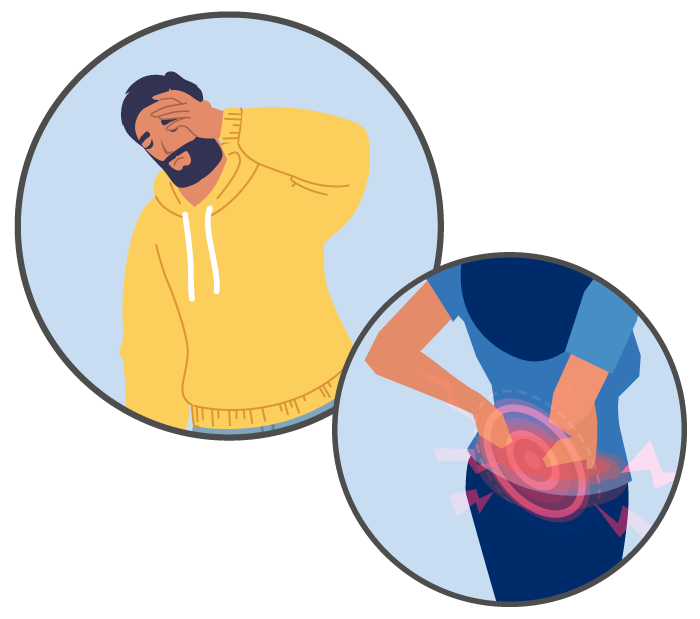
- Fever
- Sweats
- General feeling of being unwell (malaise)
- Headache
- Back pain
It usually takes 1–6 weeks from the time a person is exposed (such as by eating unpasteurized dairy products) to the start of symptoms, but it can take as long as several months for symptoms to appear.
Because the symptoms of brucellosis are like those of other common diseases, a healthcare provider may need to order specific lab tests to see if a person is infected with Brucella. Tests for brucellosis may include taking a blood sample to test for infection.
Death from brucellosis is rare, but if brucellosis is not properly treated, infection can spread to the bones, joints, liver, kidney, spleen, or heart months to years later. Brucellosis can be treated with antibiotics, but antibiotics often must continue for several weeks or months to fully treat the infection.
How can I help prevent brucellosis?
The best way to prevent brucellosis is to not eat or drink dairy products that have not been pasteurized. Pasteurization is the process of heating dairy products to kill harmful germs that can make people sick. Check the label of any dairy product before buying it and
eat only dairy products that state on the label that they are pasteurized. If you are not sure if a dairy product is pasteurized, do not eat it. Cheese or other dairy products that are not packaged and clearly labeled as “pasteurized” may not be safe to eat because they could contain harmful germs that could make you sick.

People who touch or handle animal tissues (such as hunters or people who work in slaughterhouses) should protect themselves and cover their skin, eyes, nose, and mouth by wearing rubber gloves, goggles, and gowns or aprons to help prevent contact with Brucella bacteria.
Resources
- About Brucellosis – U.S. Centers for Disease Control and Prevention (CDC)
- CDC Brucellosis and Animals
- Brucellosis – World Health Organization
- CDPH Foodborne Illnesses and Outbreaks
- CDPH Raw Milk and Raw Dairy Products
- CDC Food Safety – Raw Milk
- CDC Clinical Overview of Brucellosis
- CDC Laboratory Risks for Brucellosis
- CDC Brucellosis Reference Guide: Exposures, Testing, and Prevention (PDF, 2.2MB) – Updated February 2017
An Overview of Human Brucellosis – Clinical Infectious Diseases, August 1995
- CDPH Brucellosis fact sheet (PDF) –
September 2021
- CDPH Infectious Diseases Branch Yearly Summaries of Selected Communicable Diseases in California
- 2014–22 (PDF, 2.7MB) – Brucellosis, see page 27 in PDF
- 2013–21 (PDF, 2.5MB) – Brucellosis, see page 25 in PDF
- 2012–20 (PDF, 3.3MB) – Brucellosis, see page 25 in PDF
- 2011–19 (PDF, 4.1MB) – Brucellosis, see page 27 in PDF
- 2001–10 (PDF, 5.4MB) – Brucellosis, see page 20 in PDF
- Epidemiology of Brucellosis in California, 1993–2017: A Continuing Foodborne Disease Risk for Older Latinos – Clinical Infectious Diseases, June 2021
- CDPH Epidemiologic Summaries of Brucellosis in California