




Raw Milk and Raw Dairy Products
What You Need to Know
Raw milk and dairy products made with raw milk can contain harmful germs that can make people sick.
Anyone can get sick from germs in raw milk, but people with weakened immune systems, children, older adults, and people who are pregnant are more likely to get very sick.
The best way to prevent getting sick from germs in raw milk is to choose pasteurized milk and dairy products made with pasteurized milk. Pasteurization is the special process of heating milk to a high enough temperature to kill harmful germs that can be found in milk.
What is unpasteurized (“raw”) milk?
Unpasteurized milk—sometimes called “raw” milk—is milk that has not been treated to remove harmful germs through a process called pasteurization. When milk is pasteurized, it is heated to a temperature that kills harmful germs.

On and around an animal’s udder
(the part of a cow, goat, or other animal that produces milk)In the environment (including in soil, water, or animal poop/manure)
On the equipment used to milk an animal
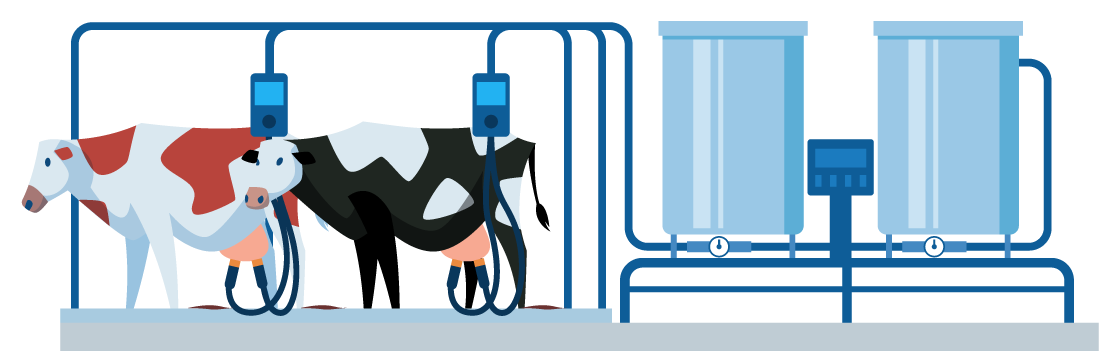
Eating or drinking unpasteurized milk products can make people sick. When someone drinks raw (unpasteurized) milk, they also are drinking any germs that are in the raw milk. These germs can make a person sick. Disease-causing germs can also be sometimes found in dairy products (such as cheese and cream) that are made from raw milk.
What are the health risks of eating or drinking something made with raw milk?
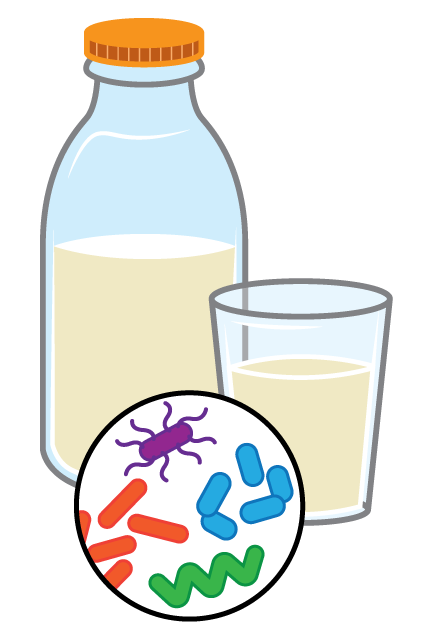
Raw milk and dairy products made from raw milk can contain harmful microbes such as:
- Campylobacter
- Salmonella
-
Shiga toxin-producing E. coli (STEC)
-
Listeria monocytogenes
- Avian influenza A(H5N1) virus
Although not as common in California, raw milk can also contain germs such as Brucella, Cryptosporidium, Mycobacterium bovis, and Yersinia. Many of these germs naturally live in the intestines of farm animals.
Germs from raw milk can make people sick. The bacteria most commonly found in raw milk can cause symptoms such as:
- Diarrhea
- Stomach cramps
- Vomiting
- Fever
Other conditions such as muscle weakness and paralysis (from
Campylobacter), sudden kidney failure and anemia (from STEC), or miscarriage (from
Listeria monocytogenes) can also occur.
Are raw milk and raw milk products available in California?
Raw milk from cows, sheep, and goats may be legally sold in California if a dairy farm in California meets specific requirements for sanitation and licensing. Animals at the facilities and farms that are approved to sell raw milk in California must be tested for specific diseases, including brucellosis and tuberculosis. Farm workers at these facilities must also be free from infectious germs that can contaminate milk and make people sick.
However, these requirements cannot guarantee that a dairy farm will produce raw milk dairy products that are free from harmful germs. These requirements also cannot guarantee that raw milk products are as safe to eat or drink as pasteurized milk products. That is why farms that produce and sell raw milk must include a warning label on all raw milk dairy products that tells people that the product they are buying may contain germs that can make them sick. In fact, although these precautions and legal requirements are in place, contamination of raw milk still occurs, and there have been recent disease outbreaks and recalls of raw milk products in California.
Milk Products in California
- CDFA Announces Recall of Raw Milk Produced at Schoch Family Farmstead of Monterey County – Date Code 01/24 – January 2025
CDFA Announces Recall of Raw Milk Produced at "Valley Milk Supply Bottled" of Stanislaus County – December 2024
CDPH Warns Against Drinking Single Lot of Raw Milk Following Bird Flu Detection; Secures Voluntary Recall – November 2024
- CDFA Announces Recall of Raw Cheddar Cheese Made by Raw Farm, LLC of Fresno County with Date Code 03/16/2024 – August 2023
- CDFA Announces Recall of Raw Cow Milk Produced at Raw Farm, LLC of Fresno County with Date Code 05/05/2023 – May 2023
For more information about foodborne outbreaks and product contamination in California, including outbreaks related to raw milk, please see the CDPH Food and Drug Branch Environmental Investigation Reports webpage.
Raw Milk and Dairy Products from Outside of California
It is against the law to sell or distribute raw milk across state lines in the U.S., meaning raw milk produced outside of California cannot be sold in California. However, raw cheese aged for at least 60 days can be produced outside of California and sold in California. Raw cheese that is aged (such as raw cheddar) can be sold in stores, farms, and farmer’s markets in California. But it's important to know that even 60-day aged cheese may not be free of harmful germs.
Other types of cheese and dairy products made from unpasteurized milk are available in other countries, including Mexico, and can be brought into California. Many of these products are sold by vendors who don’t have a license to sell dairy products or are selling products that aren’t regulated for health and safety. The information on the labels of dairy products from other countries may not say if the milk was pasteurized or where the product was made. Products sold at open markets, roadside stands, or street vendors may not have a label at all. Unpasteurized dairy products from Mexico (including queso fresco and other soft cheeses) have been associated with many illnesses and outbreaks of disease in California in people who either ate the products while in Mexico or brought them back to California. The best way to protect yourself from getting sick is to eat and drink only dairy products that are clearly labeled as “pasteurized.”
Who is more likely to get sick from raw milk?
Anyone can get sick from raw milk, but people with weakened immune systems (such as those with cancer, diabetes, or HIV/AIDS), children, older adults, and people who are pregnant are more likely to get sick from germs in raw milk.
How can I protect my family and myself from germs in raw milk?
-
The best way to prevent illness from raw milk is to choose and use pasteurized milk. Cheese (especially queso fresco and other soft cheeses) and other dairy products (yogurt, ice cream) should be made with milk that has been pasteurized.
- Be sure to keep all milk and dairy products in the refrigerator at a temperature of 40°F or below. When milk is not kept cold, germs can start to grow in the milk, even if it has been pasteurized. To be safe, milk that has been out of the refrigerator for more than two hours should be thrown away.
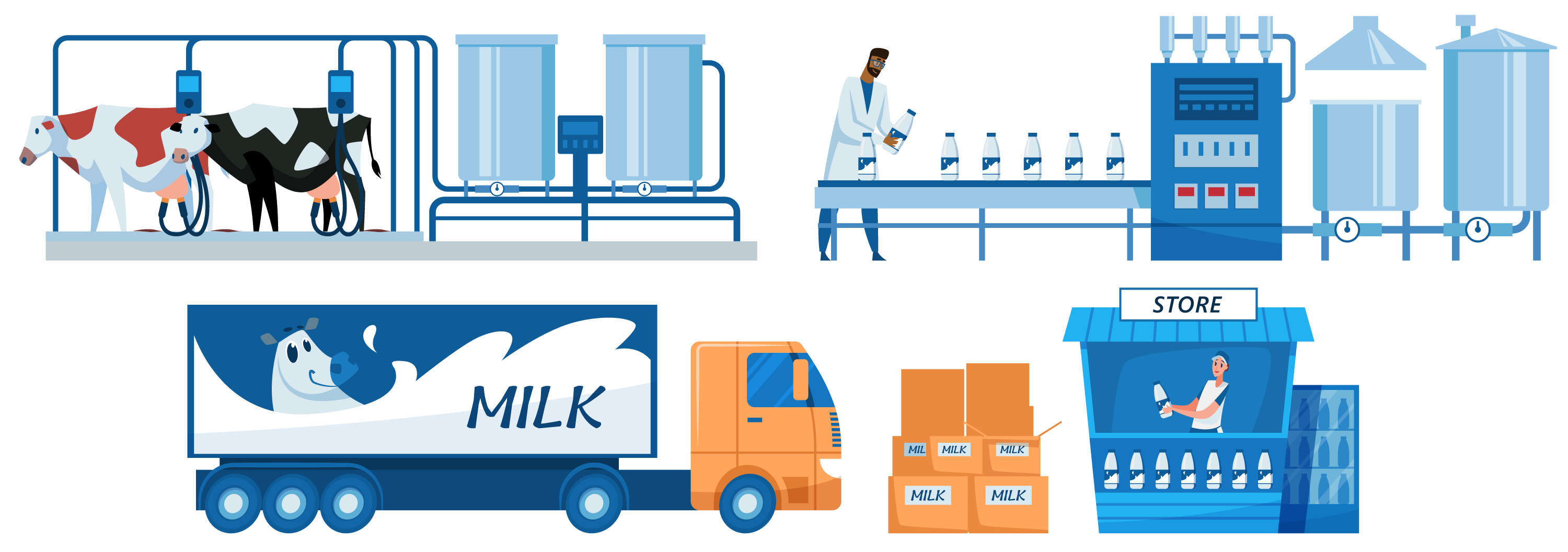
How do I know if a dairy product is pasteurized?
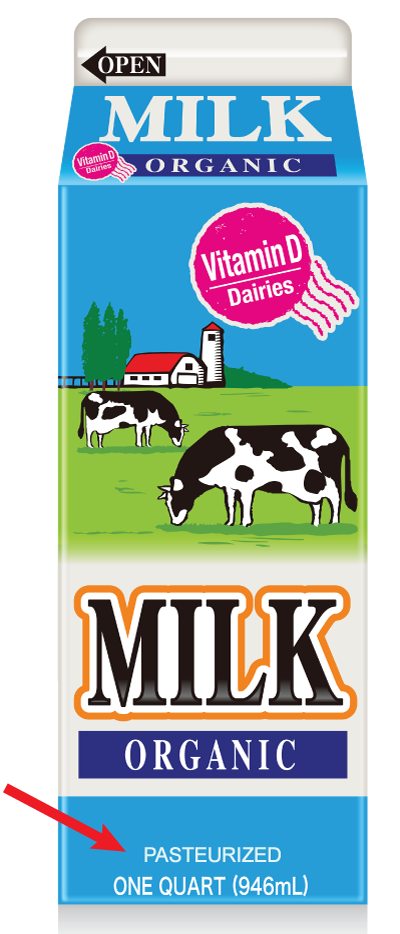
Raw milk products can look the same as pasteurized milk products, so you need to check the label to make sure what you are buying or about to eat or drink has been pasteurized. When buying milk, read information available on the product packaging and look for labels that clearly say “pasteurized” or “ultra-pasteurized.” A pasteurization label is often on the front of the container or near the nutritional facts.

When buying products made with milk (such as soft cheeses), look for products that have “pasteurized milk” listed in the ingredients, often near the nutrition facts.
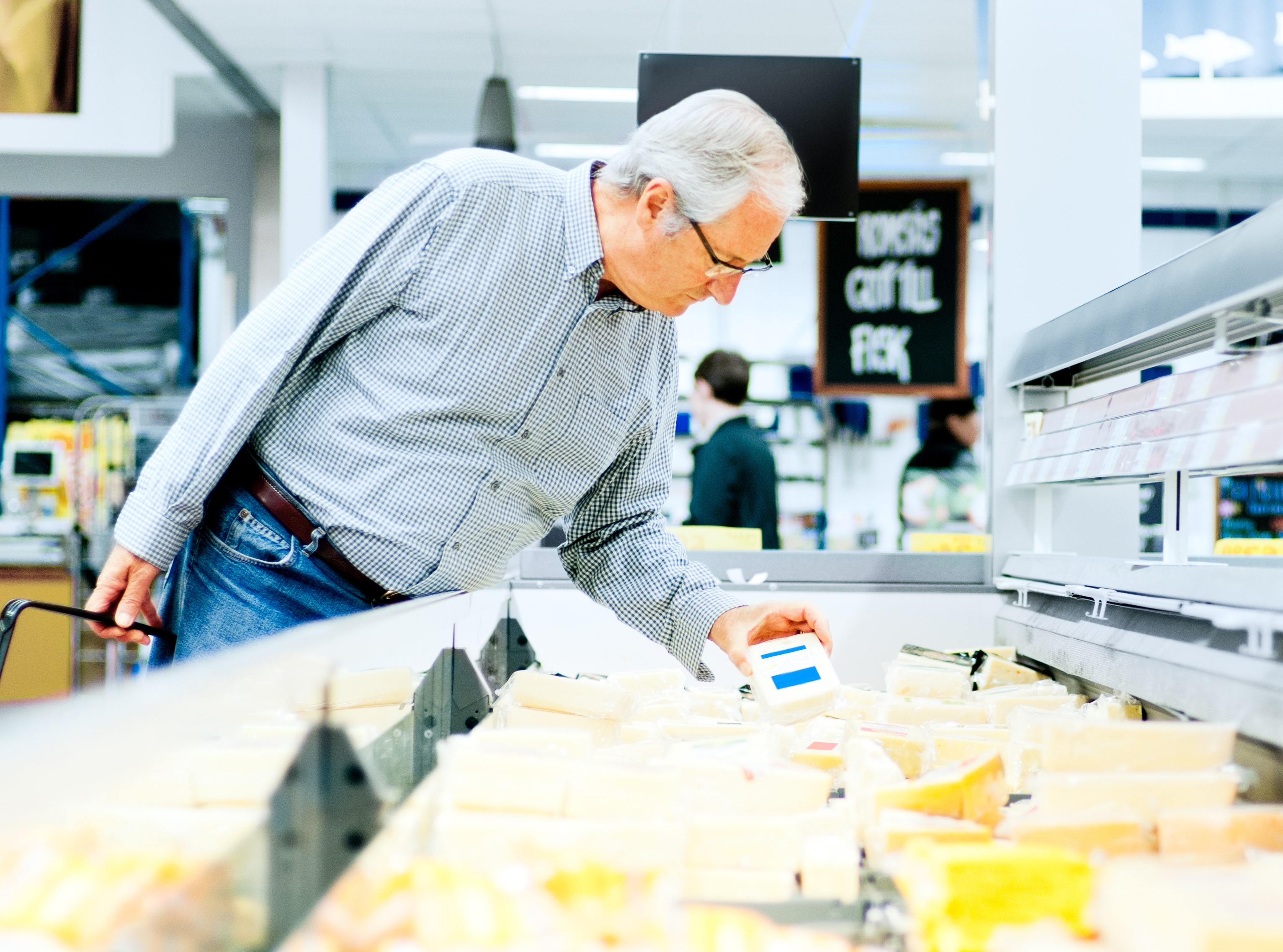
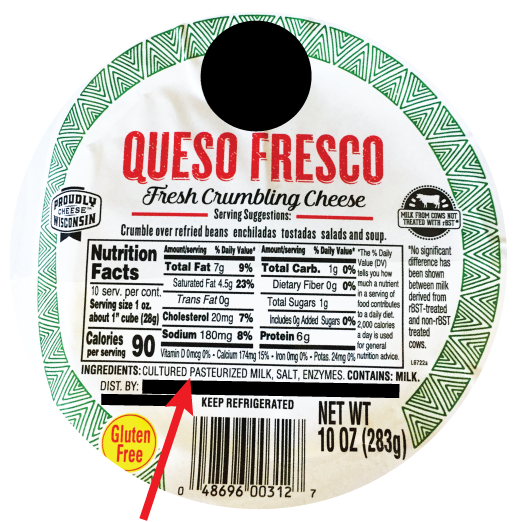
Dairy product label used for educational purposes only. CDPH does not endorse or sponsor any commercial product.
- California Department of Food and Agriculture (CDFA)
- U.S. Food and Drug Administration (FDA)
- The Dangers of Raw Milk: Unpasteurized Milk Can Pose a Serious Health Risk
- FDA Raw Milk Questions & Answers
- FDA Raw Milk Misconceptions and the Danger of Raw Milk Consumption
- U.S. Centers for Disease Control and Prevention (CDC)
- CDC Food Safety: Raw Milk
- Raw Milk – Know the Facts (PDF)
- Patient Stories (Videos)
- CDPH Food Safety Resources – Raw Milk Social Media Messaging
CDFA Regulatory Requirements for Distribution of Milk for Raw Consumption in California (PDF)
- Investigating and Preventing Foodborne Outbreaks Linked to Raw Milk and Raw Milk Dairy Products – New York Integrated Food Safety Center of Excellence
- Raw Milk and Raw Dairy Products – CDPH Food and Drug Branch
- Veterinary Public Health Section – CDPH Infectious Diseases Branch