





Rabies
What You Need to Know
Rabies is a rare but serious disease caused by a virus that infects the brain.
People and animals with rabies almost always die once symptoms begin.People and animals can get rabies from the bite of an infected animal.
In California, bats and skunks are the animals that most often get rabies.You can help prevent rabies by preventing bites from wild or unfamiliar animals (especially bats and skunks), and by vaccinating your pets against rabies. All dogs in California are required to be vaccinated against rabies.
Rabies is 100% preventable in people if you seek medical care from a doctor or healthcare provider right away after an animal bite.

What are the common signs that an animal has rabies?
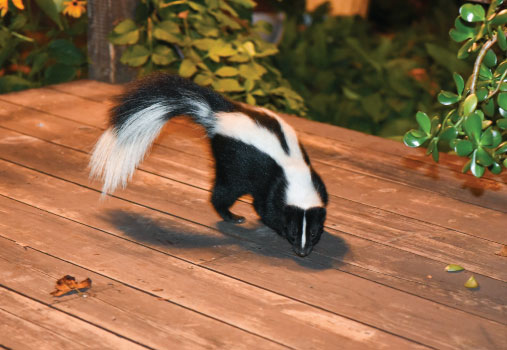 An animal with rabies will have strange or unnatural behavior because the rabies virus attacks the brain. This can include:
A wild animal that seems unusually tame or isn't afraid to approach people
-
An animal out during the day that is usually active only at night, such as a skunk, fox, or bat
-
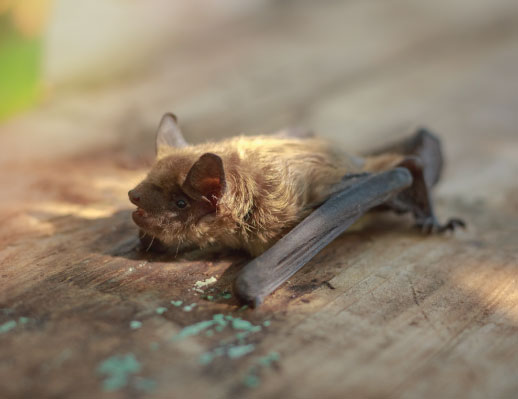
A pet that has trouble walking, eating, or drinking, or has a change in personality or how it acts
-
A normally calm animal that acts in an agitated or aggressive manner
-
A bat that can't fly or has been caught by a dog or cat

Rabies Prevention
Because there is no treatment for rabies once symptoms begin, it is very important to prevent rabies in the first place. To prevent rabies:
-
Vaccinate pets against the rabies virus and keep them up to date on their shots
-
Prevent bites from animals, especially wild or unfamiliar animals
-
Wash animal bite wounds immediately with soap and water
-
Talk to a healthcare provider right away if you are bitten by an animal. A doctor can help decide if you need a vaccine to prevent rabies.
How can vaccinating pets protect people and pets from rabies?
Rabies vaccination for pets is an important way that pet owners can protect themselves and the people around them from rabies. A pet that is vaccinated at an early age and stays up to date on its rabies boosters is less likely to get rabies if it has contact with an animal with rabies in the wild.
Vaccinated pets provide an important second level of defense against rabies for pet owners and other people. If a pet is less likely to get rabies, then it is also less likely to spread rabies to its owner and other people around them.

Immunity to a virus can decrease over time, so booster vaccines for your pets will help make sure they are always protected against rabies. If you have questions about rabies vaccination for your pets, please talk to your veterinarian.
Vaccination for Dogs & Cats
The State of California requires that dogs over 4 months of age in California be vaccinated for rabies. There is no statewide requirement for cats to be vaccinated for rabies, but some cities and counties require cats to be vaccinated or licensed. Because rabies is serious and can still be a risk for cats, the American Animal Hospital Association and the American Veterinary Medical Association recommend that all cats be vaccinated for rabies, even if they live indoors only.
How can I prevent bites from wild or unfamiliar animals?
To protect yourself and your pets from animal bites:
-
Leave all wild animals alone. Do not approach, touch, or try to feed any animals that you don't know.
-
Never adopt or bring wild animals into your home. Contact a wildlife rehabilitation facility if you are concerned that a wild animal needs care.
-
Remove food that attracts wild animals by keeping garbage in closed, secure containers, and don't leave pet food outside overnight.
-
Seal holes or gaps in your home where bats and other animals could enter.
-

Take extra care to avoid animals when travelling abroad, especially dogs in developing countries, as rabies in dogs is common in some countries.
-
Always ask permission before you approach or try to pet another person's dog that you don't know.
-
Keep pet cats indoors as much as possible. Indoor cats are less likely to have contact with wildlife that might have rabies and other infectious diseases.
-
If you take your pets off your property, keep them on a leash and under your control at all times.
What should I do if a wild animal bites me?
If you are bitten by a wild animal, you should immediately wash and scrub the bite area with soap and running water and seek medical care from a doctor or healthcare provider. Rabies is 100% preventable if you seek medical care right away after an animal bite. A doctor will decide if the wound requires medical attention and if you need treatment to prevent rabies.
Bats have very small teeth and may not leave a mark when they bite. Talk with a healthcare provider about rabies prevention if a bat is found alone in a room with a child, a person with an intellectual disability, or a person who was asleep or intoxicated, even if you don't see any signs of a bite.
If your doctor decides that you could have been exposed to rabies, your doctor may recommend that you receive a series of rabies vaccinations, which will prevent rabies symptoms.
Report the bite to your local animal control agency. If the wild animal hasn't been captured, animal control officers may be able to locate and test the animal for rabies. If the wild animal is in your house, animal control can remove the animal. Do not grab or try to capture the animal yourself. If the animal is a bat, carefully follow
instructions on how to safely secure a bat until it can be collected by animal control.

How can vaccinating people help prevent rabies?
People can be vaccinated for the rabies virus at different times to help prevent rabies.
Before an animal bite (pre-exposure rabies vaccination)
- Pre-exposure rabies vaccination is available and recommended for people who work in certain jobs that put them at risk for exposure to rabies, including those who work with rabies virus in a laboratory, handle or have regular contact with wild mammals, or work in or frequently explore areas where bats are common (specifically caves). People who travel to certain parts of the world where rabies is common in dogs may also need to be vaccinated. But because the risk of rabies to most people in the U.S. and California is low, pre-exposure rabies vaccination is not recommended for all people.
- Rabies vaccination given to a person after an animal bite can prevent the rabies virus from causing illness and death. Post-exposure rabies vaccination usually involves 2–4 doses (given in the arm, just like a flu shot) and should be started as soon as possible after a bite from an animal that is likely to have rabies. The decision about whether or not to vaccinate for rabies after an animal bite is made between a patient and the healthcare provider. In some situations, your healthcare provider may talk to public health officials about the need for rabies vaccination.
What should I do if a wild animal bites my pet?
If a wild animal attacks your pet, do not try to get between your pet and the wild animal if they are fighting. If your pet is badly hurt, take it to a veterinarian right away. Otherwise, talk with a veterinarian about whether your pet needs medical care. Report the bite to your local animal control agency who can try to capture the wild animal for rabies testing. If the wild animal is not available for testing, animal control will determine the best options for your pet based on its vaccination history.
What if a dog bites me or my pet?
The risk of rabies from dogs in California is low because most dogs are vaccinated against rabies by state law. If you are bitten by a dog, you should immediately wash the bite area with soap and running water and seek medical care from a doctor or healthcare provider if the bite is serious. Report the bite and any information you have on the biting dog to your local animal control agency. They will review the dog's health and check to see that it has been vaccinated against rabies. Talk with your healthcare provider or veterinarian about the need for medical care for injuries to yourself or your pet.
-
CDPH Rabies brochure (English) (PDF) |
La Rabia (Spanish | Español) (PDF, 1.1MB)
– June 2017 - CDPH Facts About Rabies Vaccination for Companion Animals (PDF) – Updated July 2014
- CDPH Reported Animal Rabies in California
-
CDC About Rabies – U.S. Centers for Disease Control and Prevention (CDC)
- CDC Rabies Vaccine Information Statement
Bats in Homes & Buildings – Bat Conservation International
- Living with Wildlife – California Department of Fish and Wildlife
- Wildlife Safety Precautions – Safe at Work California, State Compensation Insurance Fund