





Shigellosis
What is shigellosis?
Shigellosis is an infection caused by bacteria (germs) called Shigella that can easily spread from person to person and make people sick. The most common symptoms of shigellosis include diarrhea, stomach pain/cramps, fever, and a strong urge to pass stool (poop). These symptoms usually start 1–2 days after contact with Shigella germs and last about a week. There are about 500,000 cases of shigellosis in the United States each year.
How do people get shigellosis?
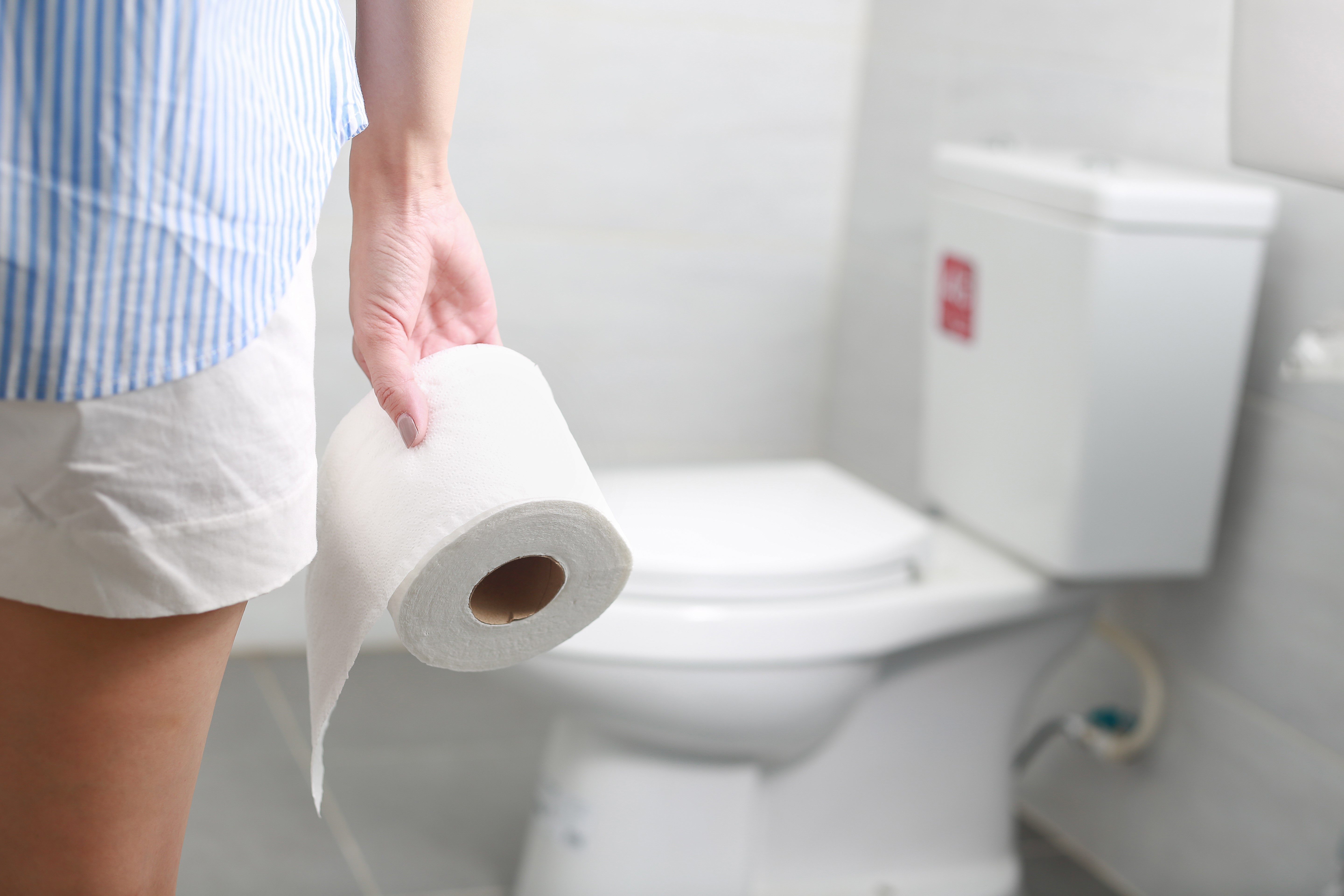
People can get shigellosis when they put something in their mouths or swallow something that has come in contact with the stool (poop) of a person who is sick with shigellosis. Shigella germs are in the stool of people who are sick with shigellosis while they have diarrhea and for up to 1–2 weeks after the diarrhea has gone away. Shigella germs are very contagious and can spread easily from person to person, especially if someone doesn’t wash their hands well enough after using the toilet. It only takes a few Shigella germs to make someone sick, and you can’t tell by looking or smelling to know if something is contaminated with germs.
Touching surfaces (like toys, door handles, or changing tables) that are contaminated with germs from a person’s stool who is sick with shigellosis
Changing the diaper of a child or caring for a person who is sick with shigellosis
Eating food that was prepared by someone who is sick with shigellosis
Swallowing water (in a pool or other recreational water area) that is contaminated with germs from stool
Exposure to stool during sexual activity with a person who is sick or has recently been sick with shigellosis
Who can get shigellosis?
Anyone can get shigellosis, but some people are more likely to get sick than others:
Young children (many shigellosis outbreaks are related to childcare settings, including daycare, and schools)
Travelers to developing countries
Men who have sex with men
People with weakened immune systems who cannot easily fight off germs
How can I help prevent shigellosis?
After using the bathroom
Before preparing food and eating
After changing a diaper

Other ways to help prevent shigellosis:
-
Do not prepare food or share your food with others if you are sick with shigellosis.
-
Do not have sex of any kind with someone who currently has symptoms of shigellosis or has had shigellosis in the past few weeks.
-
Stay home from school or from healthcare, food service, or childcare jobs if you are sick with shigellosis.
-
Avoid swallowing water from ponds, lakes, or swimming pools that are not treated with chlorine.
-
When traveling internationally (especially in developing countries), drink only treated or boiled water, and eat only cooked foods that are served hot or fruits you peel yourself. Learn more on the CDC Travelers’ Health – Food and Water Safety webpage.
- CDPH Shigellosis fact sheet (PDF) –
English | Spanish (Español) - CDPH Shigellosis Among Gay, Bisexual, and Other Men Who Have Sex With Men
- CDC Shigella - Shigellosis webpage – U.S. Centers for Disease Control and Prevention (CDC)
- CDC Shigellosis Questions & Answers – English | Spanish (Español)
- CDC Shigellosis Information for Parents of Young Children – English | Spanish (Español)
- CDC Shigella Infections Among Gay, Bisexual, and Other Men Who Have Sex with Men – English | Spanish (Español)
- CDC Handwashing: Clean Hands Save Lives – English | Spanish (Español)
- CDC Diaper Changing Steps at Home – English | Spanish (Español)
- Podcast: Shiga toxin-producing Shigella sonnei – with Katherine Lamba (Infectious Disease Epidemiologist with CDPH) – CDC National Center for Emerging and Zoonotic Infectious Diseases, July 28, 2016
- Shiga Toxin 1-Producing Shigella sonnei Infections in California, 2014–2015 – CDC Emerging Infectious Diseases
- CDPH Infectious Diseases Branch (IDB) Monthly Summary Reports of Selected Communicable Diseases in California
- CDPH IDB Yearly Summaries of Selected Communicable Diseases in California
- 2013–2021 (PDF, 2.5MB) – Shigellosis, see page 128 in PDF
- 2012–2020 (PDF, 3.3MB) – Shigellosis, see page 129 in PDF
- 2011–2019 (PDF, 4.1MB) – Shigellosis, see page 131 in PDF
- 2001–2010 (PDF, 5.4MB) – Shigellosis, see page 81 in PDF
- CDPH Epidemiologic Summaries of Shigellosis in California
- 2013–2019 (PDF)
- Technical Notes: 2013–2019 (PDF) – the Technical Notes describe the definitions, methods, and limitations associated with the Epidemiologic Summaries
- 2009–2012 (PDF)
- 2001–2008 (PDF, 2.6MB)